
While many riders focus on cornering lines, overtakes and making progress on the open road, some of the most valuable motorcycle skills are developed at walking pace. That’s exactly what 18 PECAM riders, including an encouraging number of associates, set out to improve during our Slow Speed Handling Training Session on Saturday 13th June..
Held between 10am and 12pm, the session was designed to help riders build confidence, improve machine control and develop the balance and precision that underpin safe, smooth riding. The ability to manoeuvre a motorcycle confidently at low speeds is a skill that pays dividends everywhere – from negotiating tight junctions and car parks to tackling U-turns and filtering in traffic.
The training area was laid out with seven progressively challenging exercises, allowing riders to work at their own pace while steadily developing their skills:
- Walking pace in a straight line, finishing with a controlled stop and either foot down.
- Easy slalom.
- Tighter slalom.
- Tightening slalom.
- Circle.
- Figure of 8.
- U-turn.
Each exercise challenged a different aspect of machine control, encouraging riders to refine their clutch control, throttle balance, rear brake use, observation and steering inputs. As confidence grew, so did the smiles, with riders quickly discovering that smoothness and accuracy are often more important than speed.
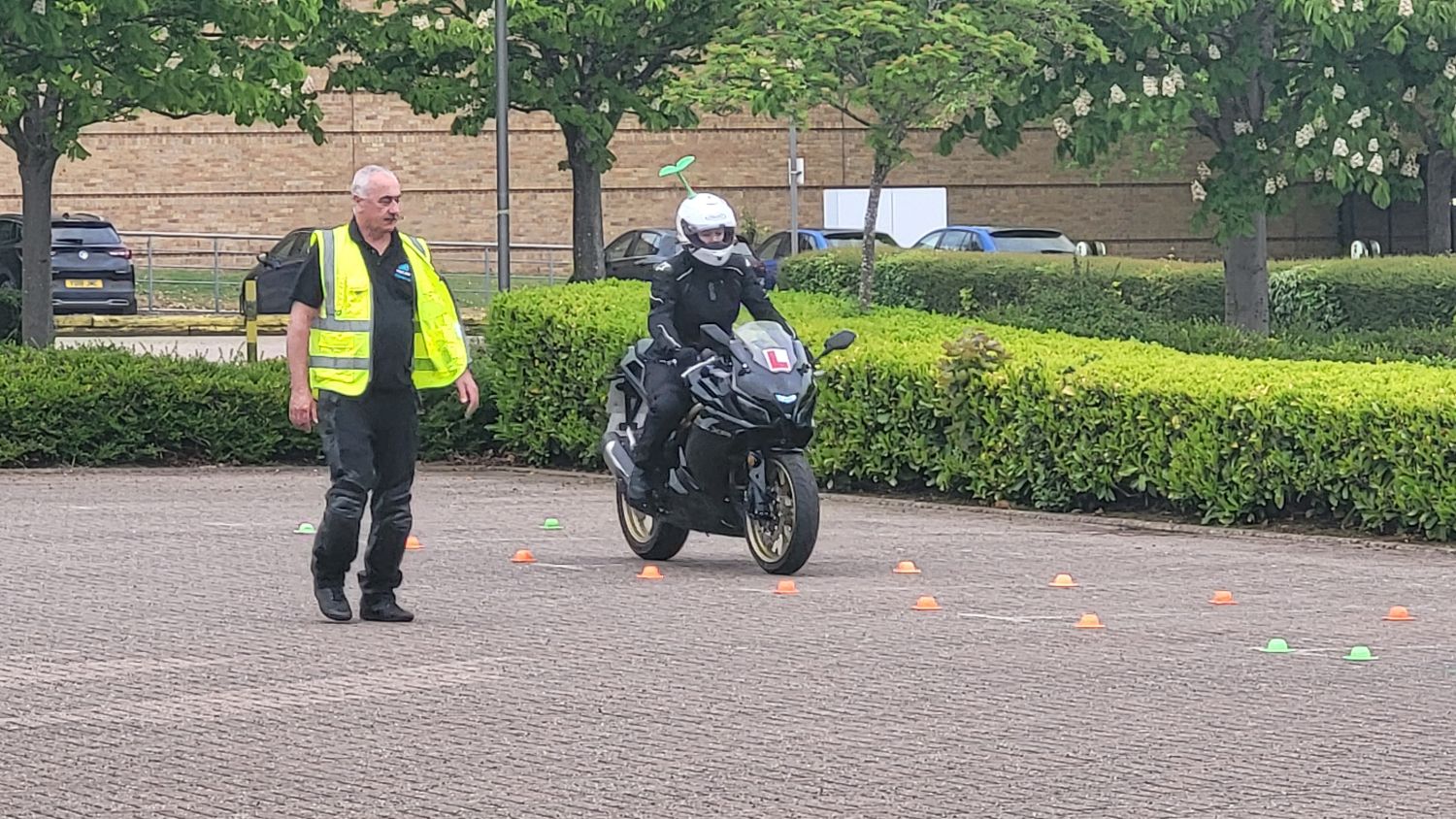
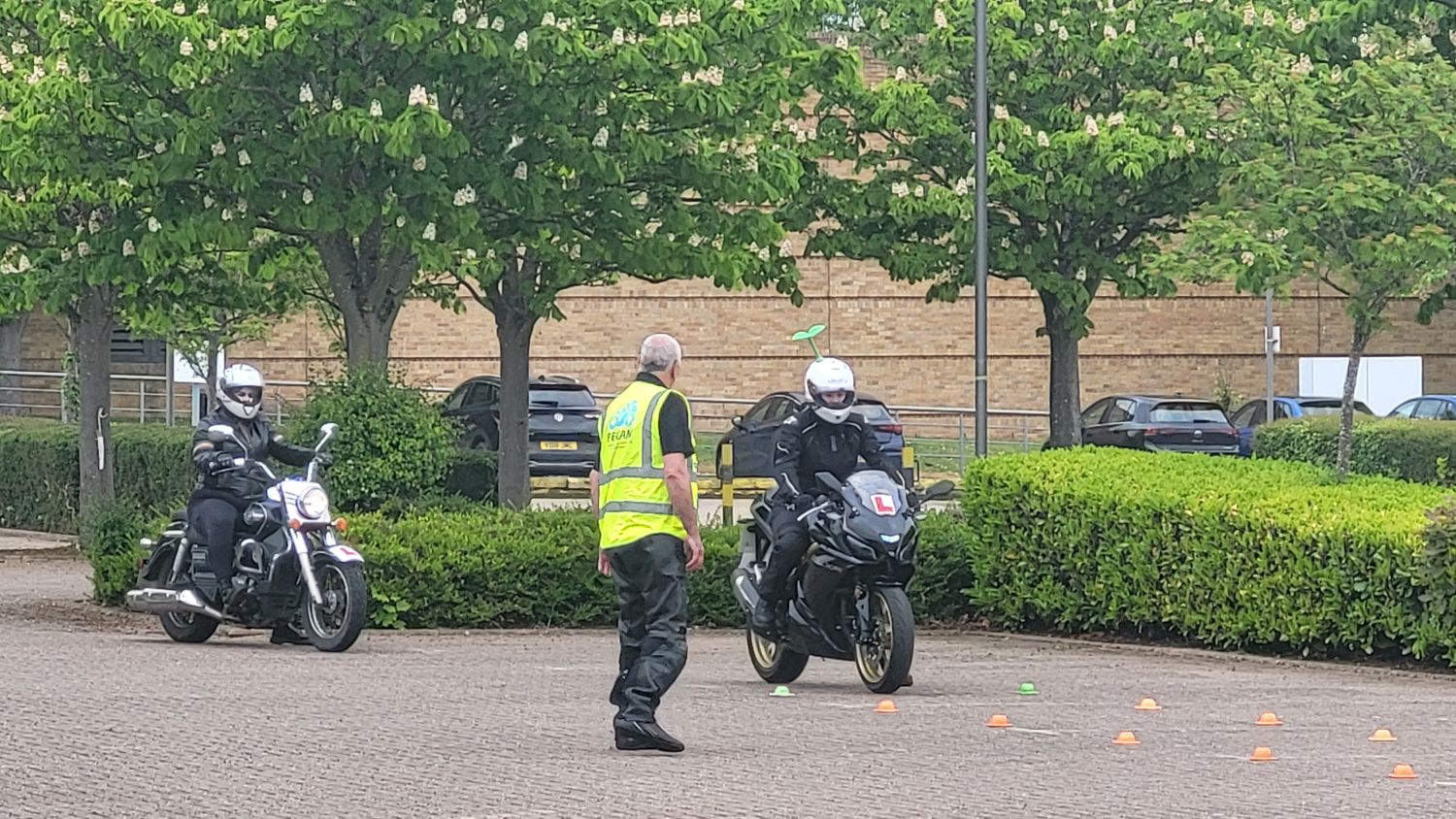
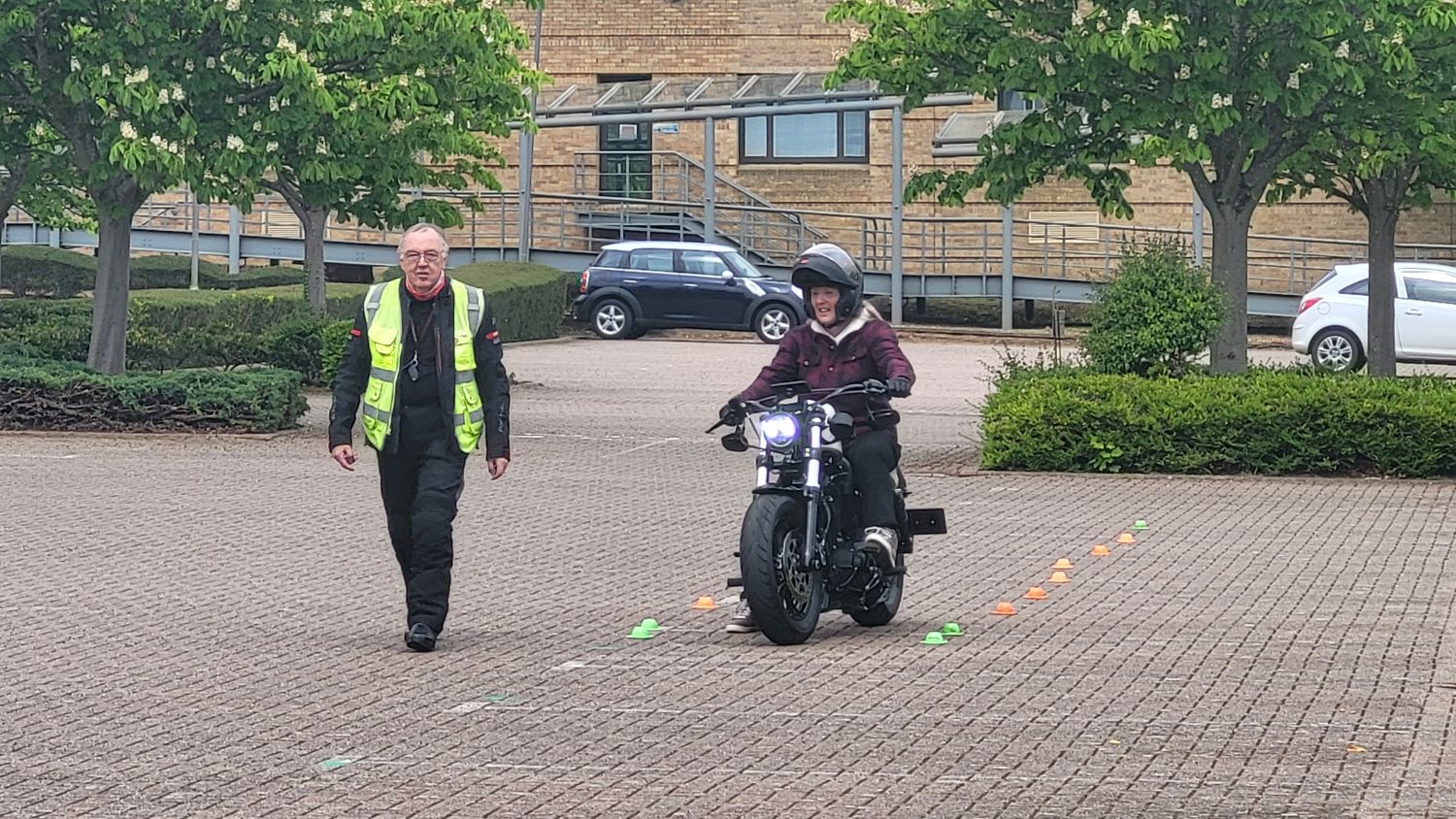
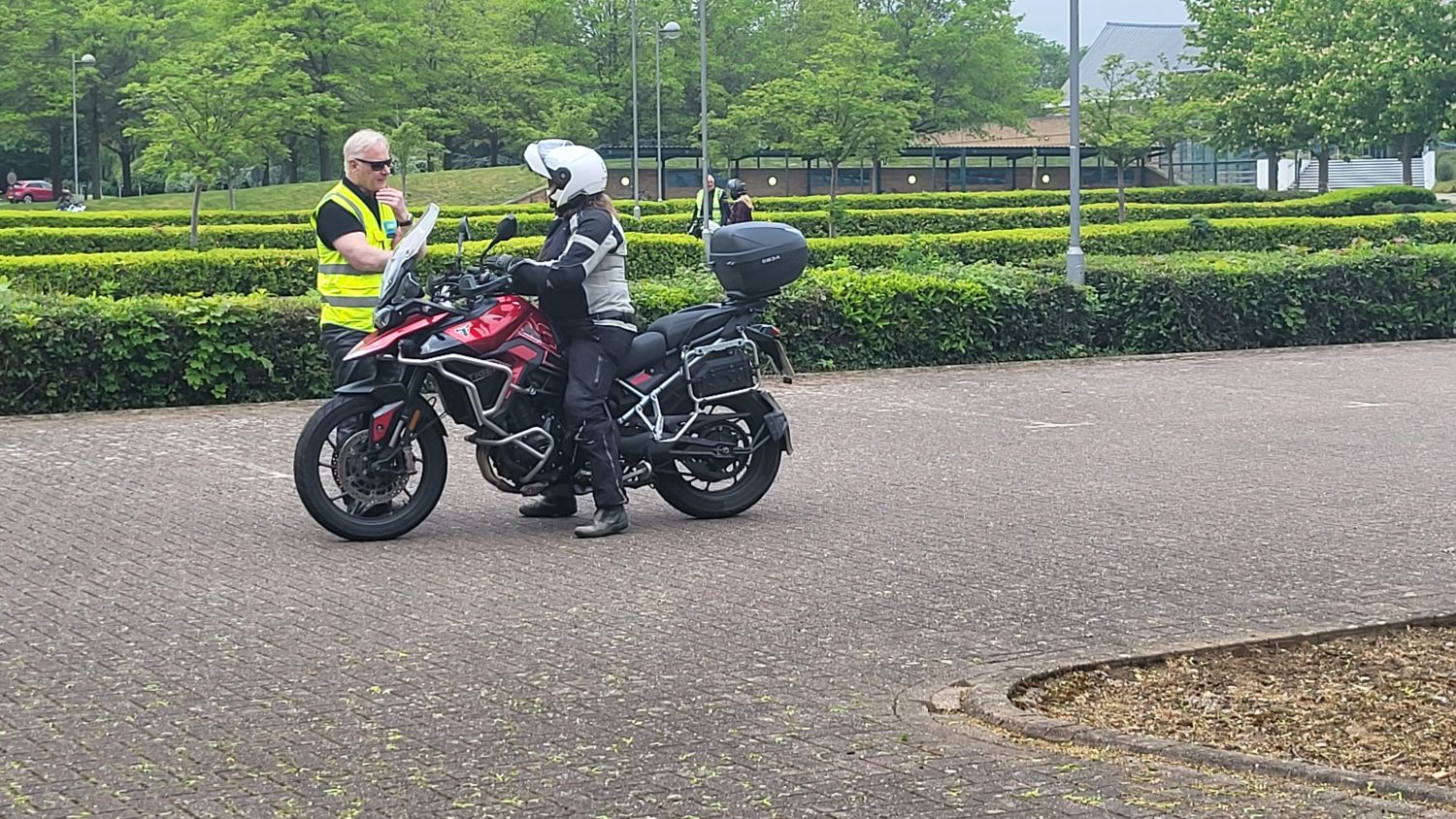
(Photos from the media gallery)
Adding an extra element of fun to the morning was the opportunity to try Motorcycle Gymkhana-style riding. Gymkhana combines precision machine handling with timed manoeuvres around a course, testing both rider skill and concentration.
One of the most rewarding aspects of the session was seeing riders of different experience levels supporting and encouraging one another. Associates and full members alike benefited from the relaxed environment and expert coaching on offer, as well as a safe space where riders could practice, receive advice and repeat exercises as many times as needed.
By the end of the morning, everyone had gained valuable experience and a greater appreciation of the techniques that make low-speed riding look effortless. More importantly, riders left with practical skills they can apply every time they ride.
A big thank you to everyone who attended and helped make the session such a success. The turnout of 18 riders demonstrates just how much interest there is in developing the core skills that make us safer, smoother and more confident motorcyclists.
After all, mastering the slow stuff is often the key to becoming better at the fast stuff.