
Ypres Tour – Day One (Friday 2nd September 2022)
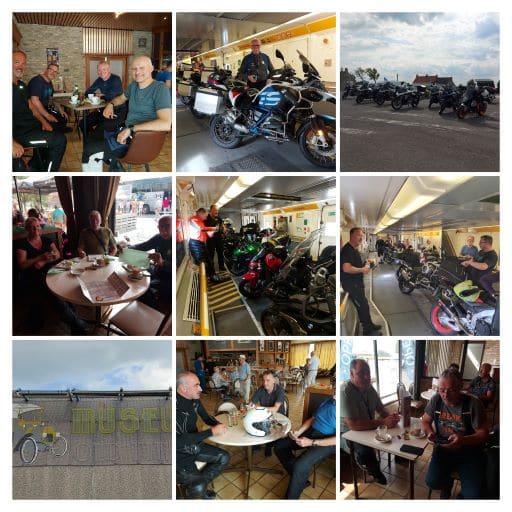
A very early, Friday morning saw the first leg of the PECAM Tour to Ypres, Belgium, 12 bikes met at Haddon Services at 6am, after a briefing by Bob Stewart we set off on our adventure to Belgium. We were joined along the way, by three other members, before heading to the Channel Tunnel for our train journey to Calais.
The channel tunnel boarding and journey went smoothly, and 35 minutes later, we arrived in a beautiful, sunny, and very warm France, where we started the route to our destination for the weekend.
Along the way we found a very aptly named “Old Timer Café” it was a very welcome stop in the heat of the day, replenishing our reserves with beverages and cakes.
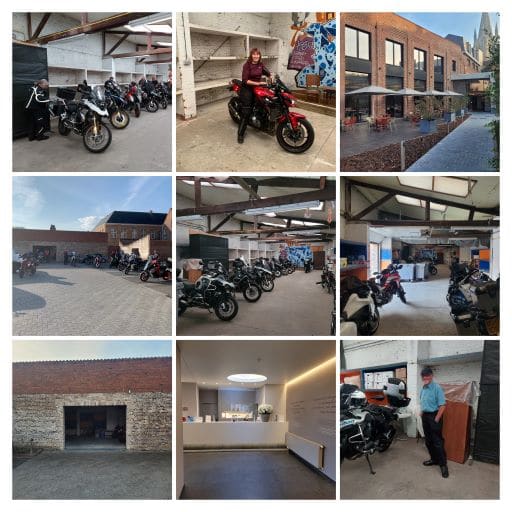
We then proceeded on the final leg of the days journey, heading to Ypres and The Albion Hotel, a fabulous family run hotel, with a secure lockable garage on site for the safe storage of all our motorbikes overnight, we could park up safe in the knowledge that our bikes would be safely locked away, so we could relax and enjoy the evening.
The Hotel was clean and modern with a bar stocked with many local beers, including Wipers Times Beer, a locally brewed beer, named after the famous Wipers Times.
The Wipers Times one of the finest of many trench publications on the Wester Front during the First World War (1914-1918), it was the brainchild of Captain Fred Roberts and Lieutenant Jack Pearson of 12th Battalion, The Sherwood Foresters. They found a serviceable printing press among the ruins of the heavily shelled city of Ypres, from it they produced a witty and sophisticated newspaper, although the print runs were small, the readership was significant, each copy passing through many hands, with parts read out in dug outs and trenches.
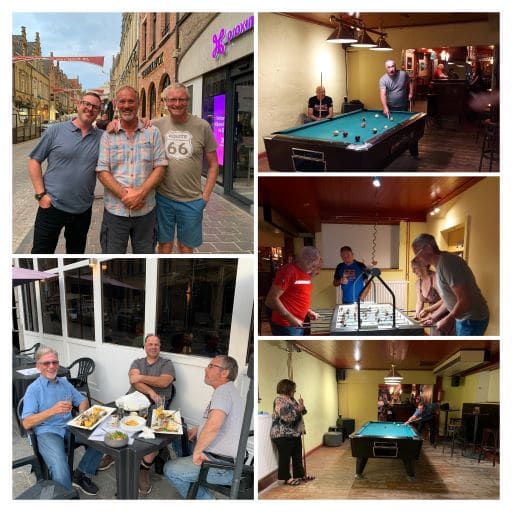
The evening was spent, exploring what Ypres had to offer, Ypres is a city with a long and rich history. During the First World War, Ypres was largely reduced to rubble as the intense fighting formed a curve around the city – no less than five of the wars’ bloodiest battles were fought in the Ypres Salient. Though Ypres’ history will forever be marked by these events, the city was rebuilt with a respect for the past. This can be experienced in many of the local museums and historic sights such as the In Flanders Fields Museum which is located in the reconstructed Cloth Hall and tells the story of the First World War.
Another essential sight to visit is the moving Menin Gate Memorial to the Missing. For an emotive experience we headed there for 8pm, when buglers sound the Last Post under the Menin Gate, a tradition they have done every evening since 1928.
The Menin Gate is one of four memorials to the missing in Belgian Flanders which cover the area known as the Ypres Salient. The battles of the Ypres Salient claimed many lives on both sides and it quickly became clear that the commemoration of members of the Commonwealth forces with no known grave would have to be divided between several different sites.
The site of the Menin Gate was chosen because of the hundreds of thousands of men who passed through it on their way to the battlefields. It commemorates casualties from the forces of Australia, Canada, India, South Africa and United Kingdom who died in the Salient. In the case of United Kingdom casualties, only those prior 16 August 1917 (with some exceptions).
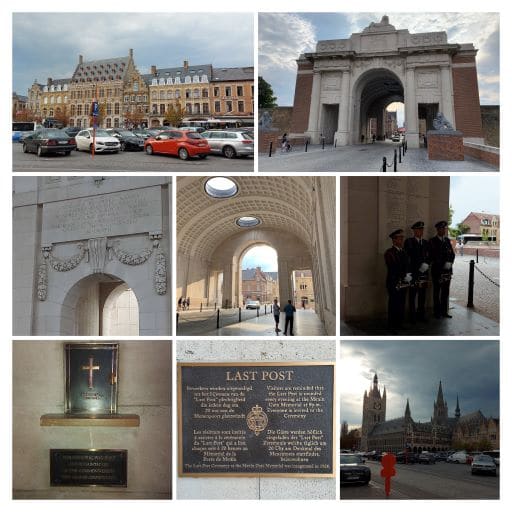
The YPRES (MENIN GATE) MEMORIAL now bears the names of more than 54,000 officers and men whose graves are not known.