
September’s Evening Social, was something different, Bob Armstrong had put together a presentation on the subject of Motorcycle Accidents Statistics.
At our usual winter social venue of The Sibson Inn, Members attended to hear Bob’s statistics.
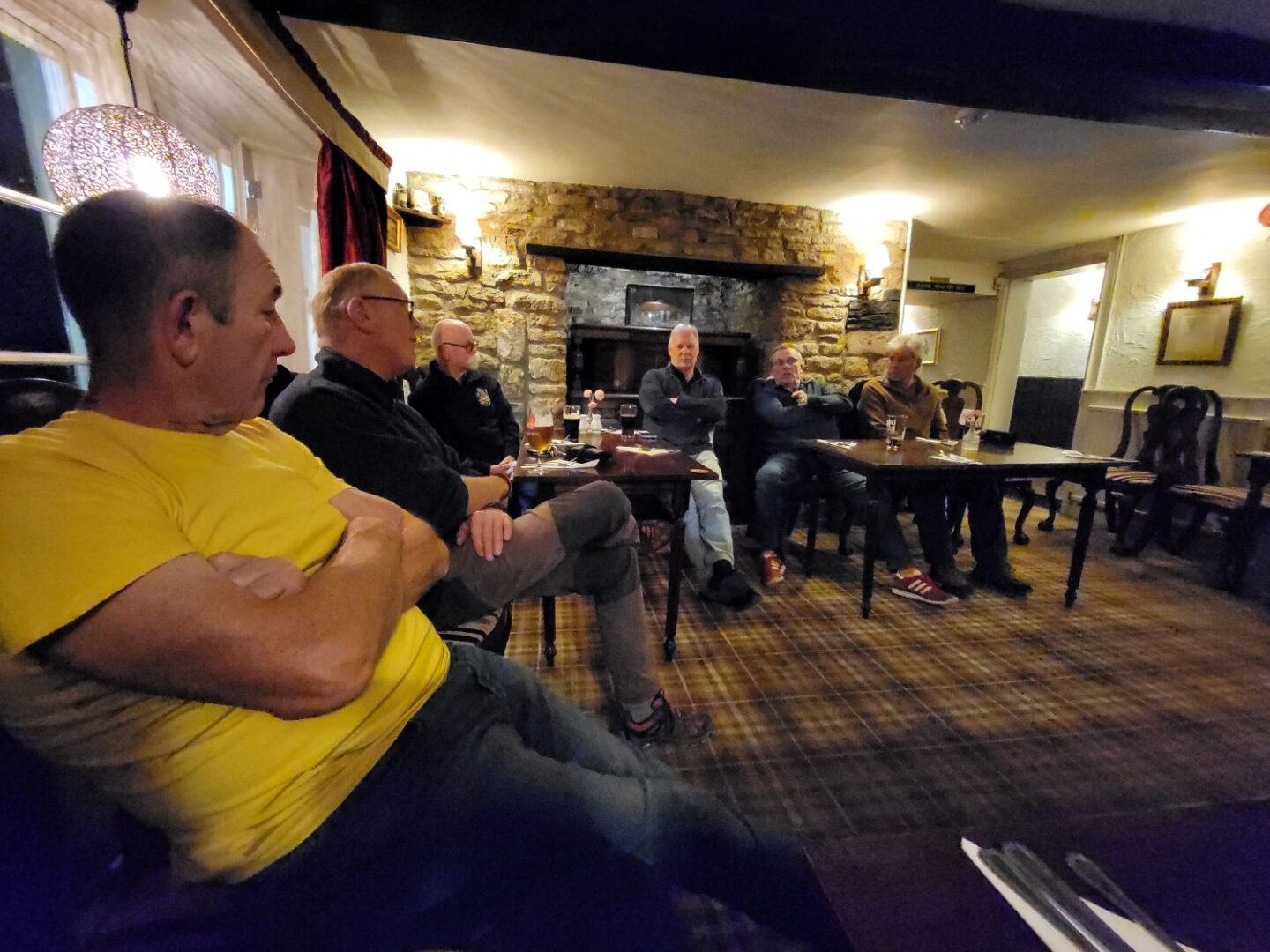

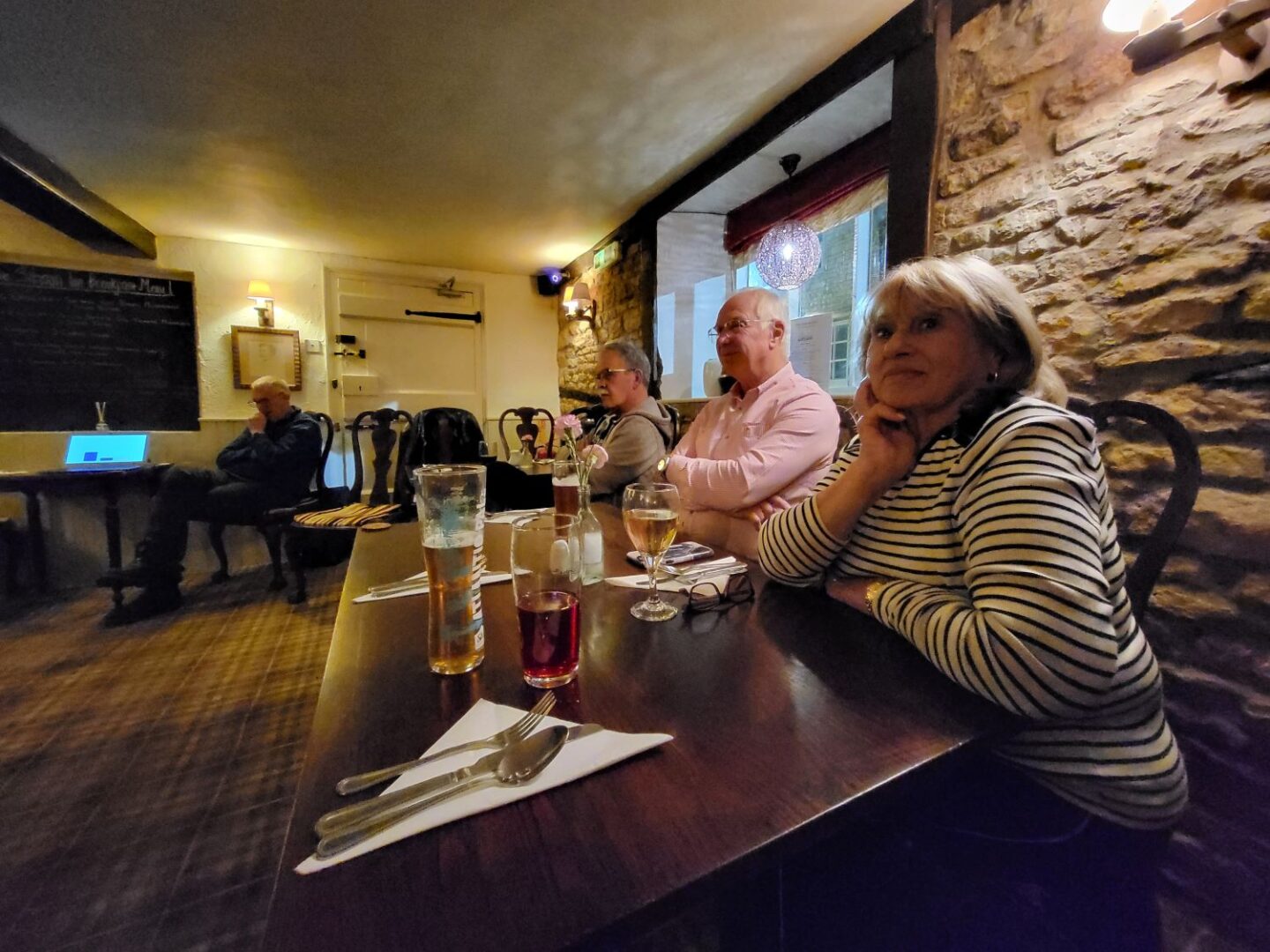
This subject, whilst some would say, as Motorcyclists we do not want to hear, is very important information and acts as a reminder of why we decided to join IAM and PECAM and become safer, thinking riders.
The Good News Is –
Between 2004 and 2023:
- Fatalities were down 46% from 585 to 315
- Serious injuries (adjusted) decreased by 36%
- Motorcycle traffic decreased by 10%
Averaged over the period 2019 to 2023:
- An average of 6 motorcyclists died and 102 were seriously injured (adjusted) per week in reported road casualties
- A majority of motorcycle fatalities (59%) do not occur at or within 20 metres of a junction compared to 41% of all seriously injured (adjusted) casualties
- Almost half (37%) of motorcycle fatalities were in 2 vehicle collisions between a motorcycle and a car
- 67% of motorcycle fatalities occurred on rural roads compared to 40% of traffic
- 92% of motorcycle killed or seriously injured (KSI) casualties were male
- The most common contributory factor allocated to motorcyclists in fatal or serious collisions (FSC) with another vehicle was ‘Driver or rider failed to look properly’
- ‘Driver or rider failed to look properly’ was also the most common factor allocated to the other vehicles involved
- Motorcycles make up just 3.5% of all registered vehicles on the UK roads, yet they account for a shocking 21% of all road fatalities according to the latest data for 2024.
- While car occupants suffer just 3 fatalities per billion miles travelled, motorcyclists face a fatality rate of 111 per billion miles. That’s a risk over 35 times higher. And it’s not just deaths motorcycle users also make up 12.2% of all road casualties
Why Are Motorcyclists Still So Vulnerable?
- The latest figures show it’s not just about bad luck; structural or behavioural issues most common accidents result in a more severe injury due to:
- Riders having minimal protective clothing such as the right helmet or jacket.
- Lack of rider training especially in some of the weather conditions we experience within the UK
- Increase exposure to being overlooked by larger vehicles in traffic
These statistics reveal a harsh truth: riding a motorcycle, while offering freedom and efficiency, comes with substantial risks.
The reasons are multifaceted, ranging from limited protection in collisions to higher exposure to road hazards.
The Gender Divide
- 96.5% of motorcyclist fatalities are male.
- Men also account for 92.1% of serious injuries.
- This gender imbalance reflects not only higher male participation in motorcycling but also riskier behaviours. Men are more likely to ride high-powered bikes, speed, and take risks.
The Age Group at Greatest Risk
- Motorcyclists aged 30 to 39 have the highest rates of fatalities and serious injuries. This group tends to have the income to purchase powerful bikes and often uses them to commute—meaning more exposure during busy, high-risk times of day.
Contributing Factors
- Several societal and behavioural trends help explain these disparities:
- Male riders dominate motorcycle ownership and usage, particularly high-capacity motorcycles, which can lead to more severe accidents.
- Cultural norms associate motorcycling with freedom and masculinity, attracting a male-dominated rider base.
- Regular usage, whether for commuting or leisure, increases exposure to potential accidents.
- Overconfidence or underestimation of road risks may lead to dangerous riding behaviours, especially among younger and middle-aged riders.
Understanding the Risks
- These demographic patterns are not just numbers; they reflect deeply ingrained habits and societal factors that influence motorcycling risks.
- Recognizing these trends is critical for developing targeted safety measures and raising awareness about the unique vulnerabilities faced by different groups of motorcyclists.
- By addressing the specific challenges faced by male riders and those aged 30–39, we can take meaningful steps toward making motorcycling safer for everyone.
Motorcycle accidents don’t occur randomly they follow clear patterns, with specific times and behaviours contributing to the majority of incidents.
Understanding these trends can help motorcyclists anticipate risks and take proactive measures to stay safe on the road.
When Do Motorcycle Accidents Happen?
The data reveals that most motorcycle accidents occur during the afternoon, between 12:01 PM and 6:00 PM, accounting for 48.3% of incidents. This peak coincides with high traffic volumes, when roads are busiest with commuters, shoppers, and school traffic.
Time of Day Breakdown
Afternoon (12:01–18:00): 48.3%
Evening (18:01–00:00): 25.1%
Morning (06:01–12:00): 22.8%
Early Morning (00:01–06:00): 3.8%
The top contributory factors in motorcycle accidents include:
- Learner Rider Inexperience: Inexperienced riders may struggle to react effectively in dynamic road environments, particularly during high-stress times like the afternoon rush.
- Sudden Braking: Panic braking or poor anticipation of traffic conditions can lead to loss of control or collisions.
- Injudicious Actions: Risky behaviours, such as speeding or misjudging gaps in traffic, significantly increase the likelihood of accidents.
Traffic Patterns and Rider Behaviour
- During peak hours, traffic congestion creates a challenging environment for motorcyclists. Impatient drivers, sudden stops, and frequent lane changes add to the risks.
- Riders commuting during these times often face additional hazards, including distracted drivers and unpredictable pedestrian movements.
Regional Variations in Motorcycle Casualties
- An analysis of the Police Force Data reveals significant disparities in motorcycle casualty rates across different areas. Urban regions with high traffic density often report more accidents due to congestion and complex road layouts.
- Conversely, rural areas may see fewer accidents overall but higher fatality rates due to higher speeds and limited access to emergency services.
Correlating Trends with Local Factors
- Road Conditions: Poorly maintained roads, especially in rural areas, increase the risk of accidents, particularly for motorcyclists navigating potholes or uneven surfaces.
- Weather Patterns: Regions with frequent rain or fog pose additional challenges, such as reduced visibility and slippery roads.
- Enforcement Intensity: Areas with stricter enforcement of traffic laws and speed limits tend to have lower casualty rates.
Importance of Safety Gear
- The right gear can mean the difference between life and death in an accident:
- Helmets with high safety ratings should be non-negotiable.
- Armoured jackets, gloves, and boots provide critical protection.
Reflective clothing increases visibility, especially at night or during poor weather
Throughout the presentation, Members asked questions and had discussed the findings presented by Bob, it was a very informative evening, thank you Bob A for taking the time to put the information together for us.
Thank you to everyone who took the time to attend.