
Day 2 – Friday 12th September
Following a comfy nights sleep and a filling breakfast, we headed out to the first stop of the day, The Commonwealth War Graves Visitor Centre in Beaurains, near Arras.
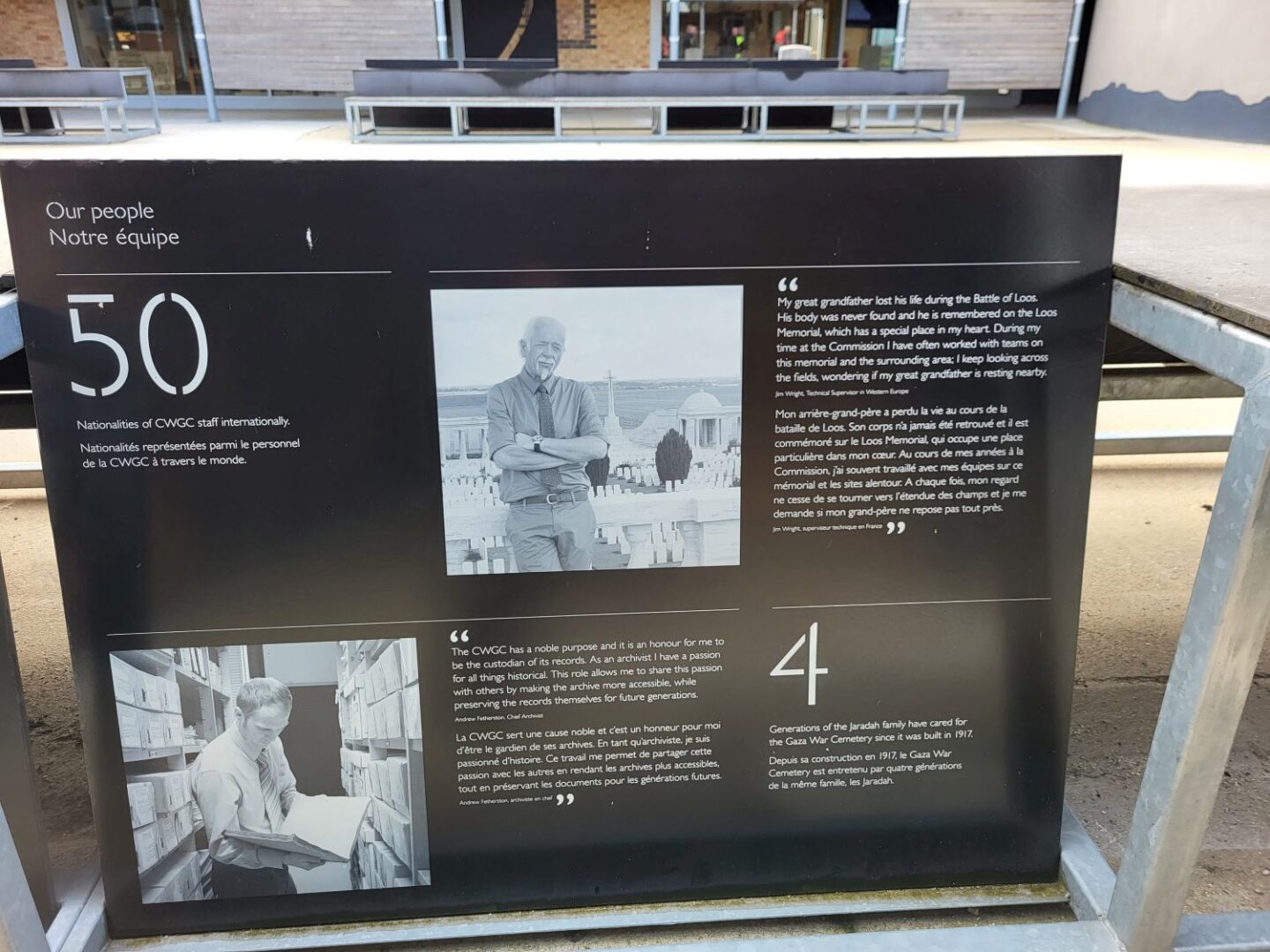
The Commonwealth War Graves Commission is a global leader in commemoration. Founded by Royal Charter in 1917, they work on behalf of the Governments of Australia, Canada, India, New Zealand, South Africa and the United Kingdom to commemorate the 1.7 million men and women from the Commonwealth who lost their lives in the two World Wars.
They believe that remembering individuals who have died in conflicts is of universal, perpetual relevance, and that reflecting on their deaths is of continuing and paramount importance for us all.
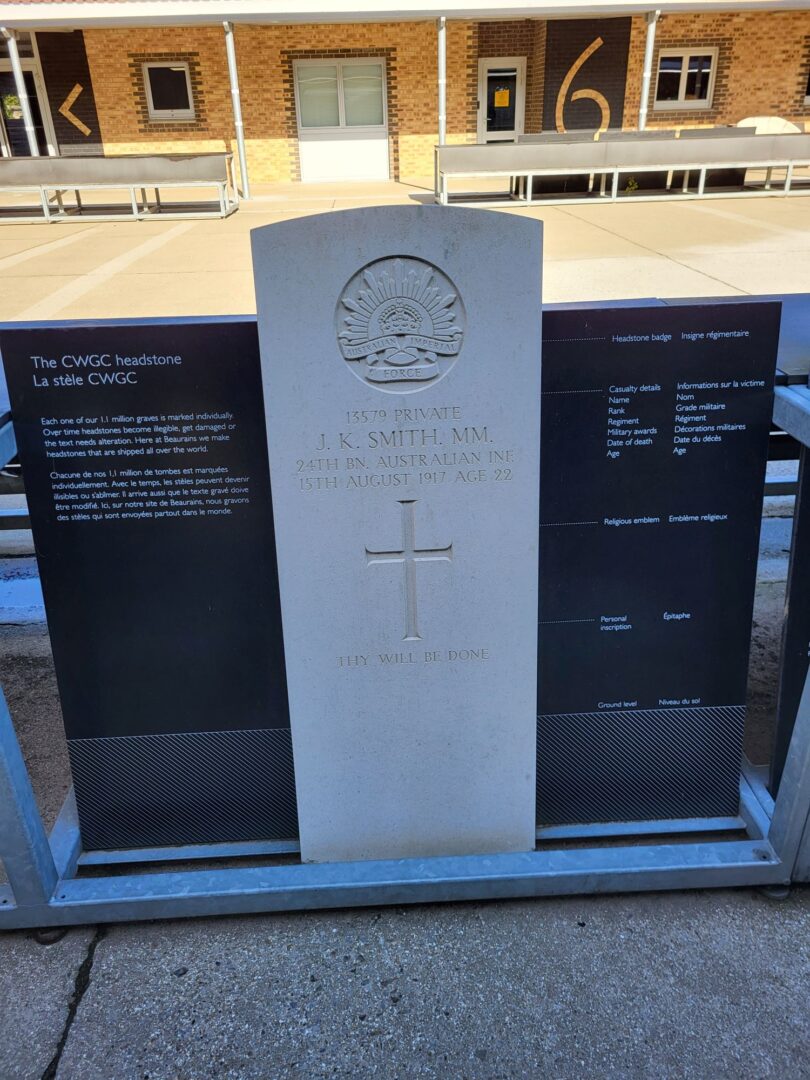
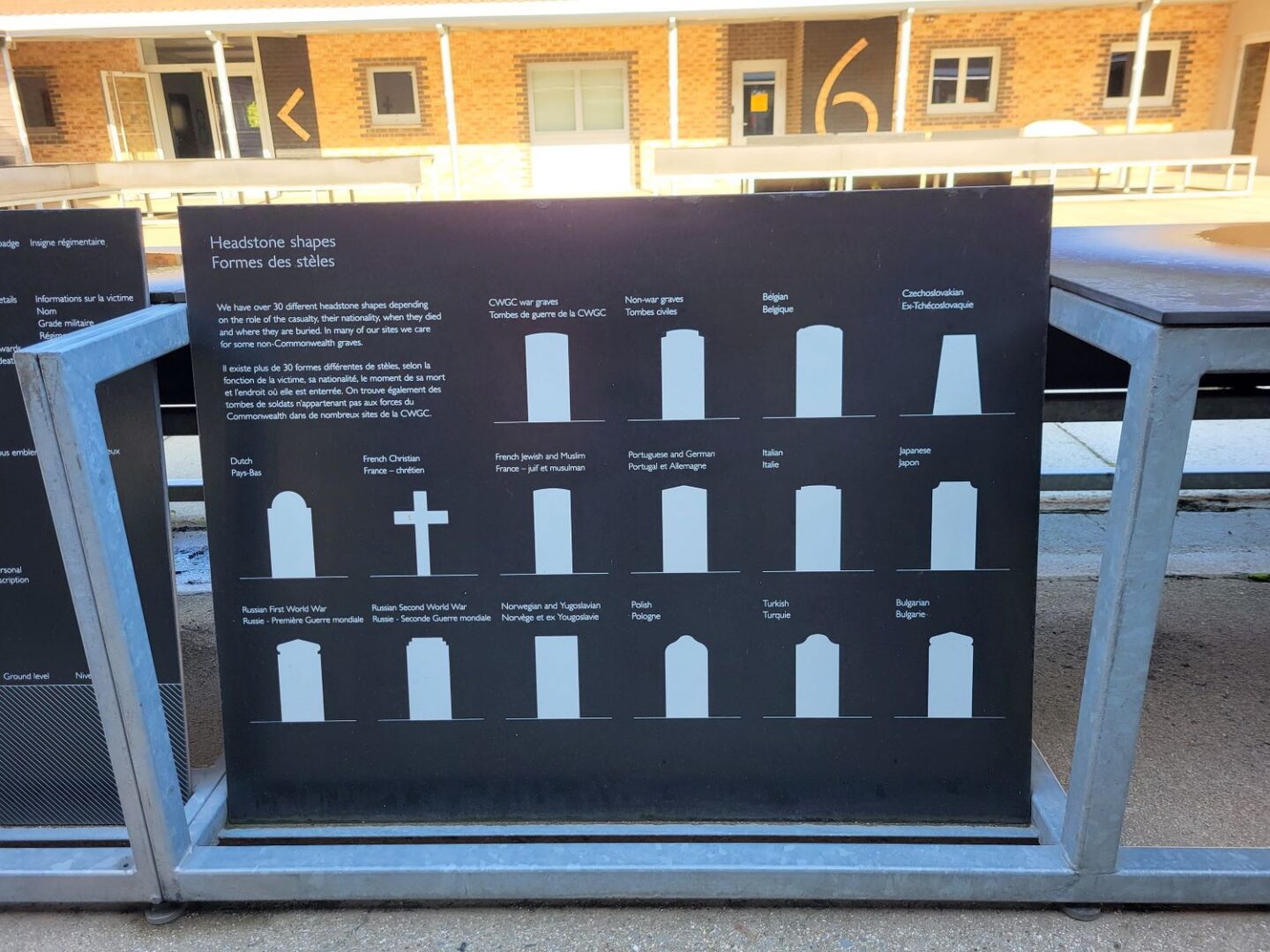
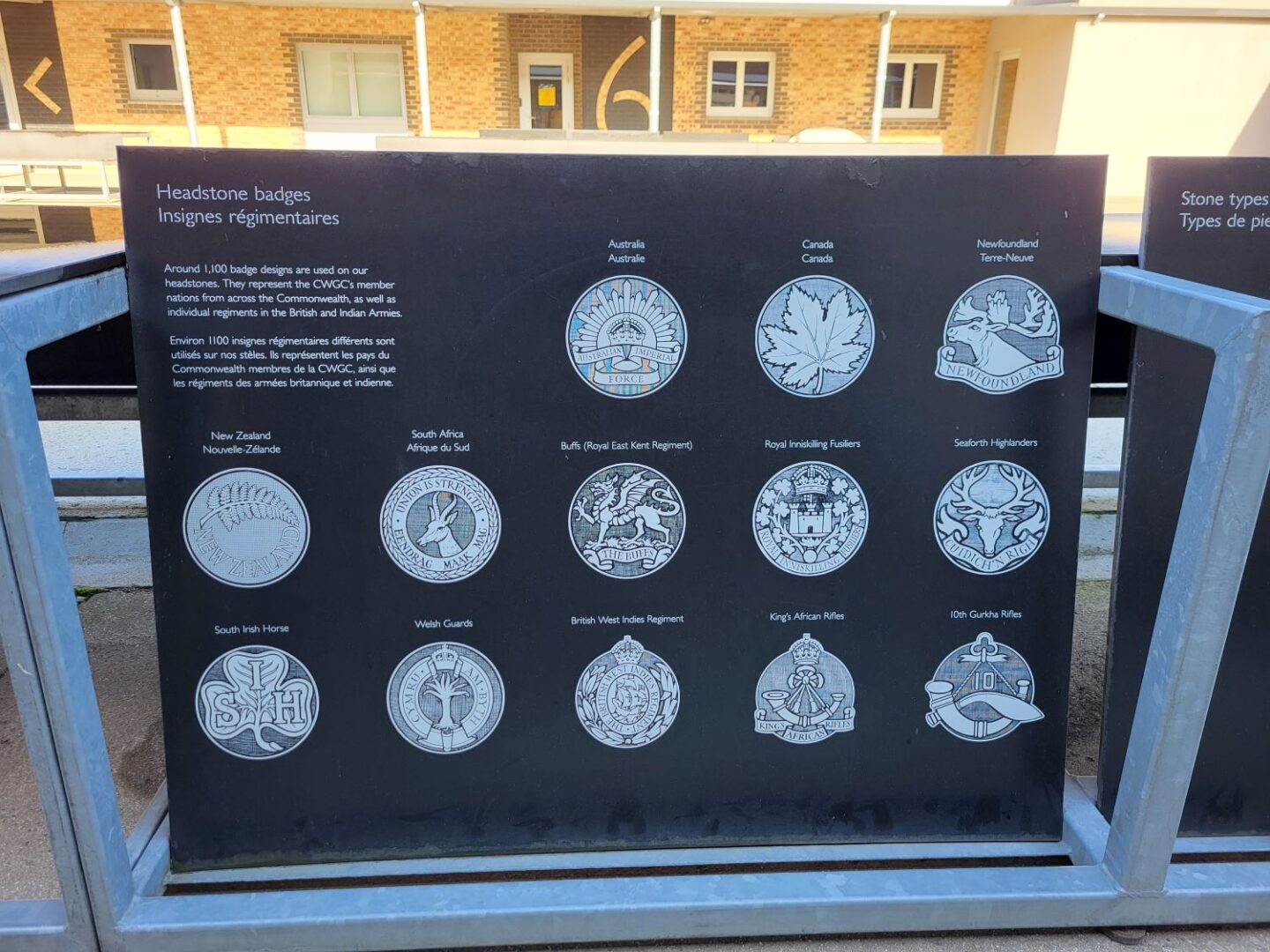
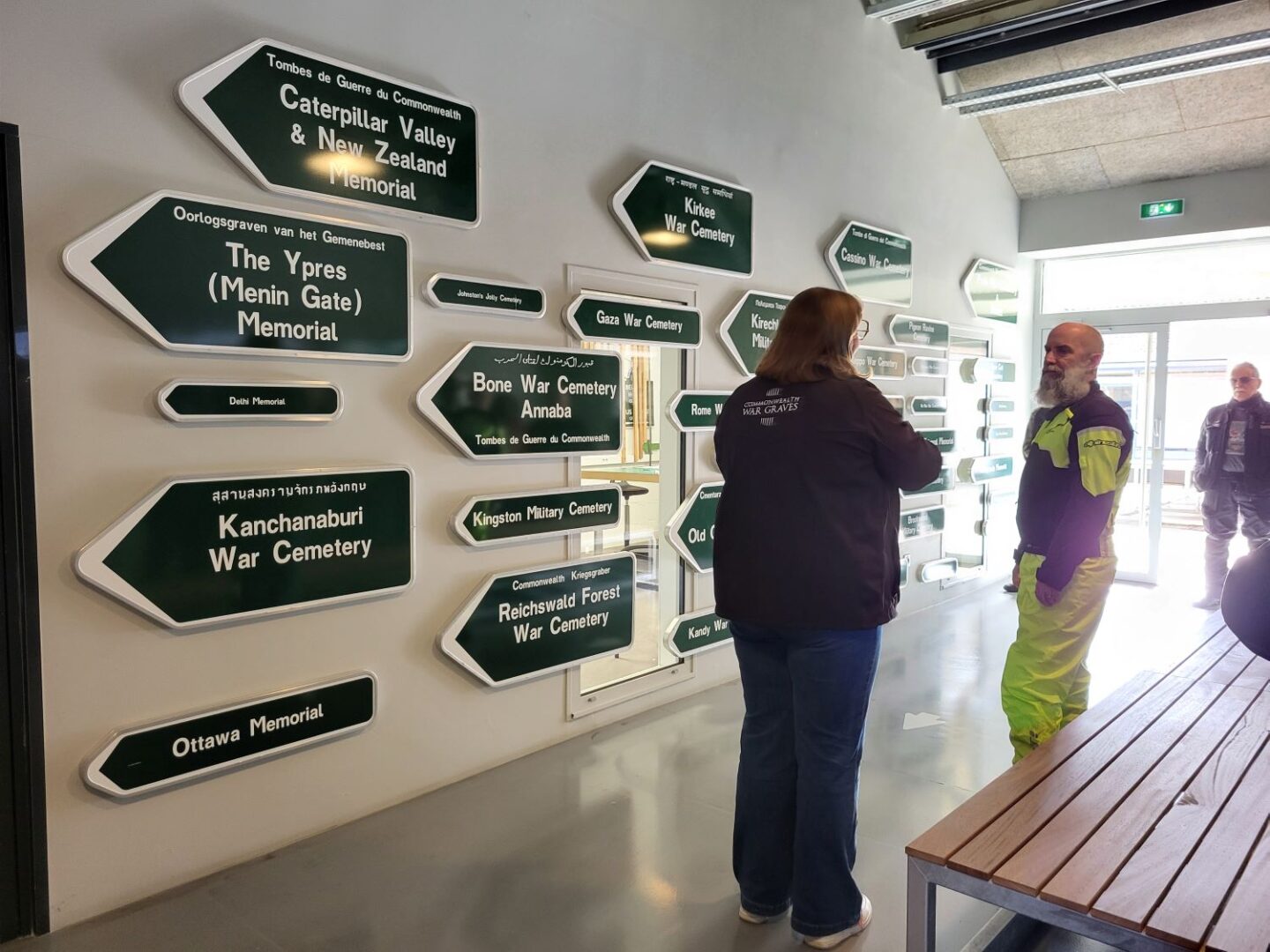
The cemeteries, memorials, graves, landscapes, and records in their care will be found at 23,000 locations and in more than 150 countries and territories. They are both the practical means of our commemoration of the fallen and vehicles for discovery, inspiration, and engagement.
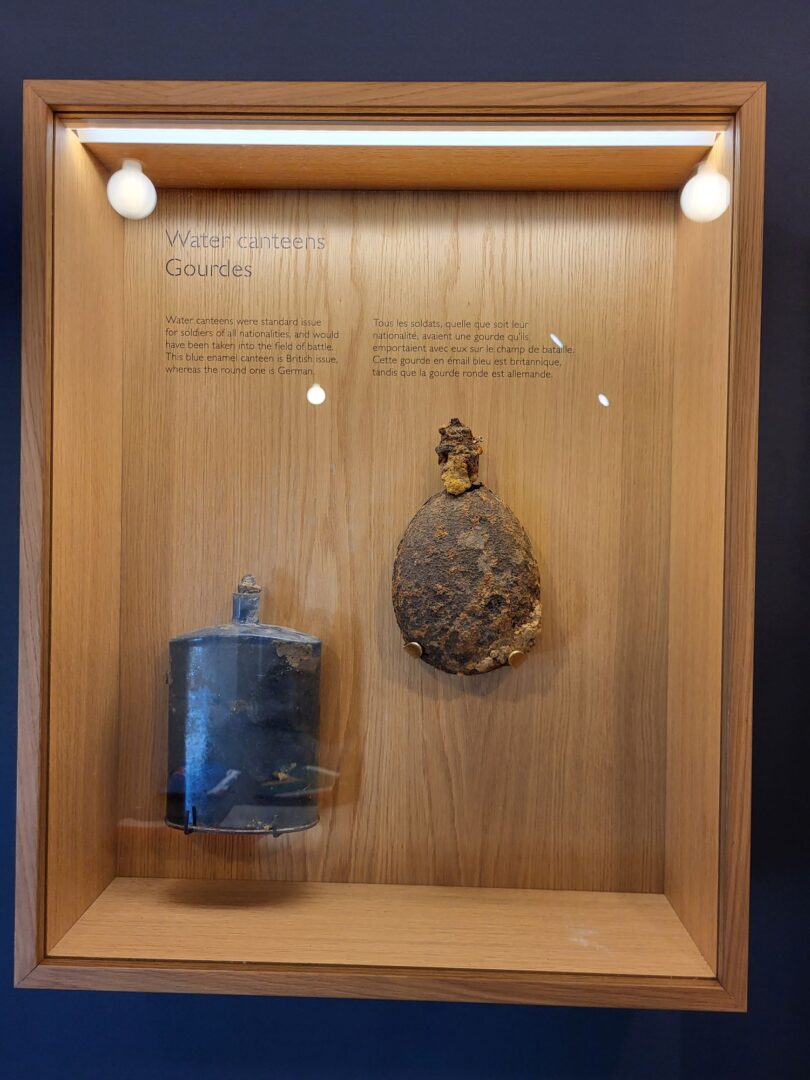
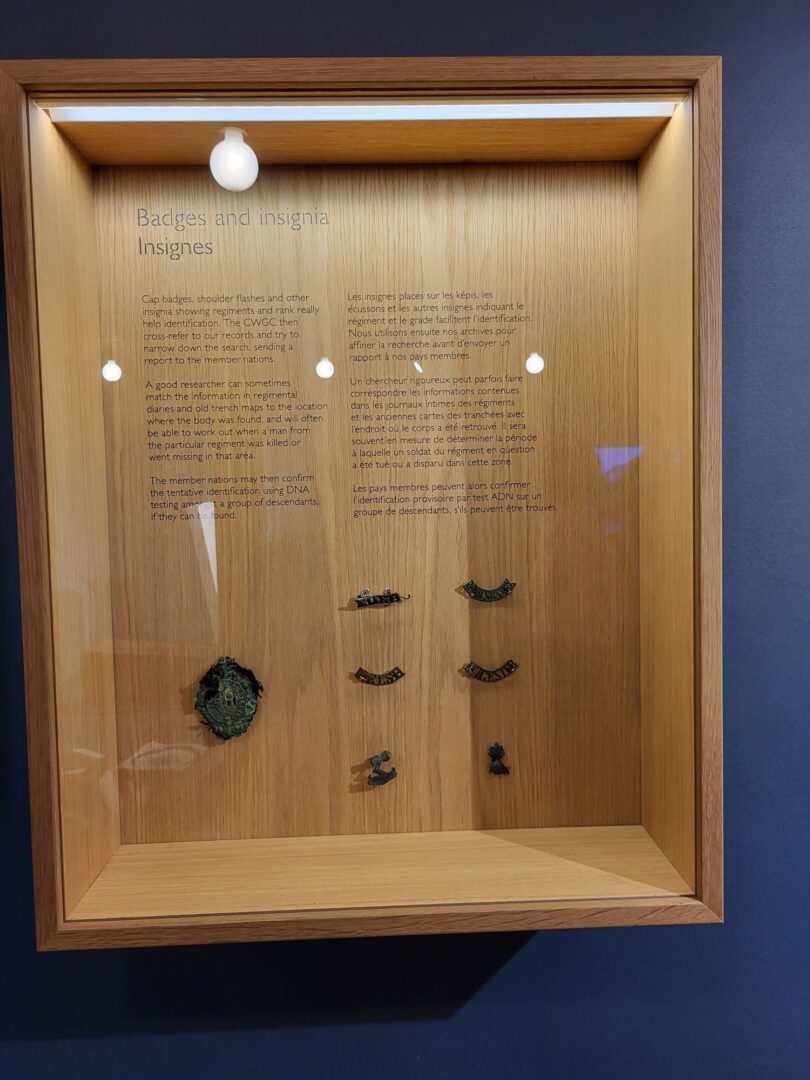
Here we discovered the remarkable work that they undertake to maintain the British and Commonwealth cemeteries and memorials of the First and Second World War around the World.
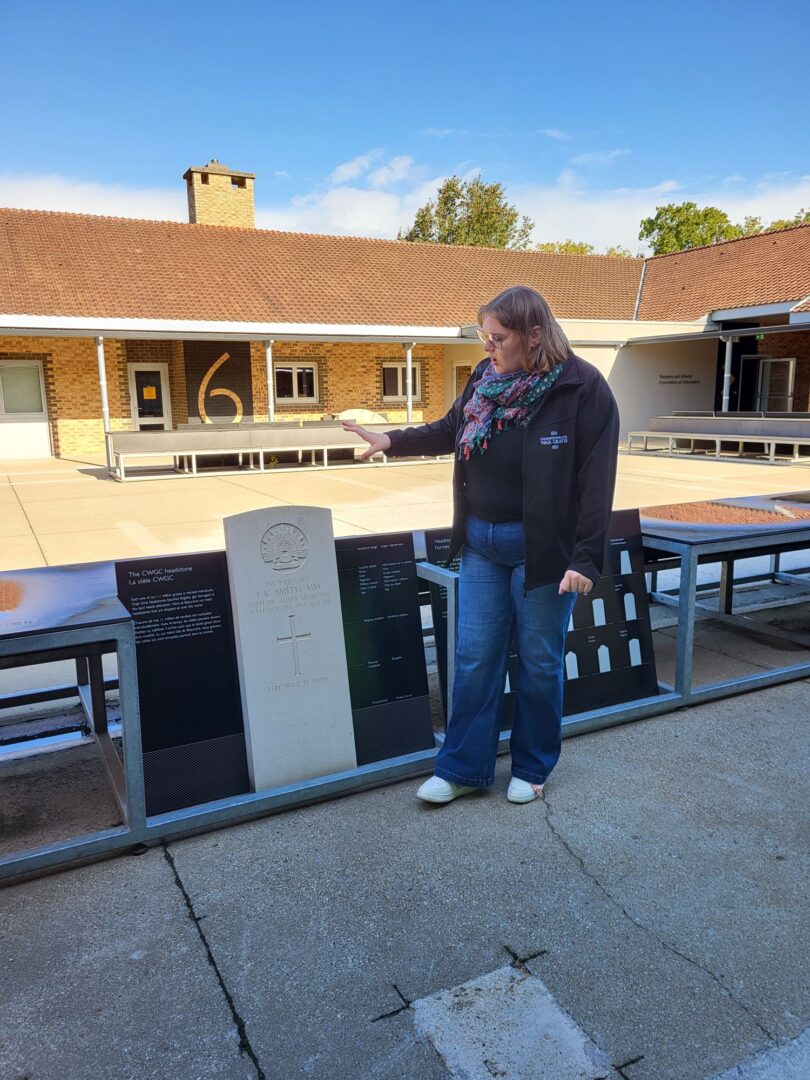
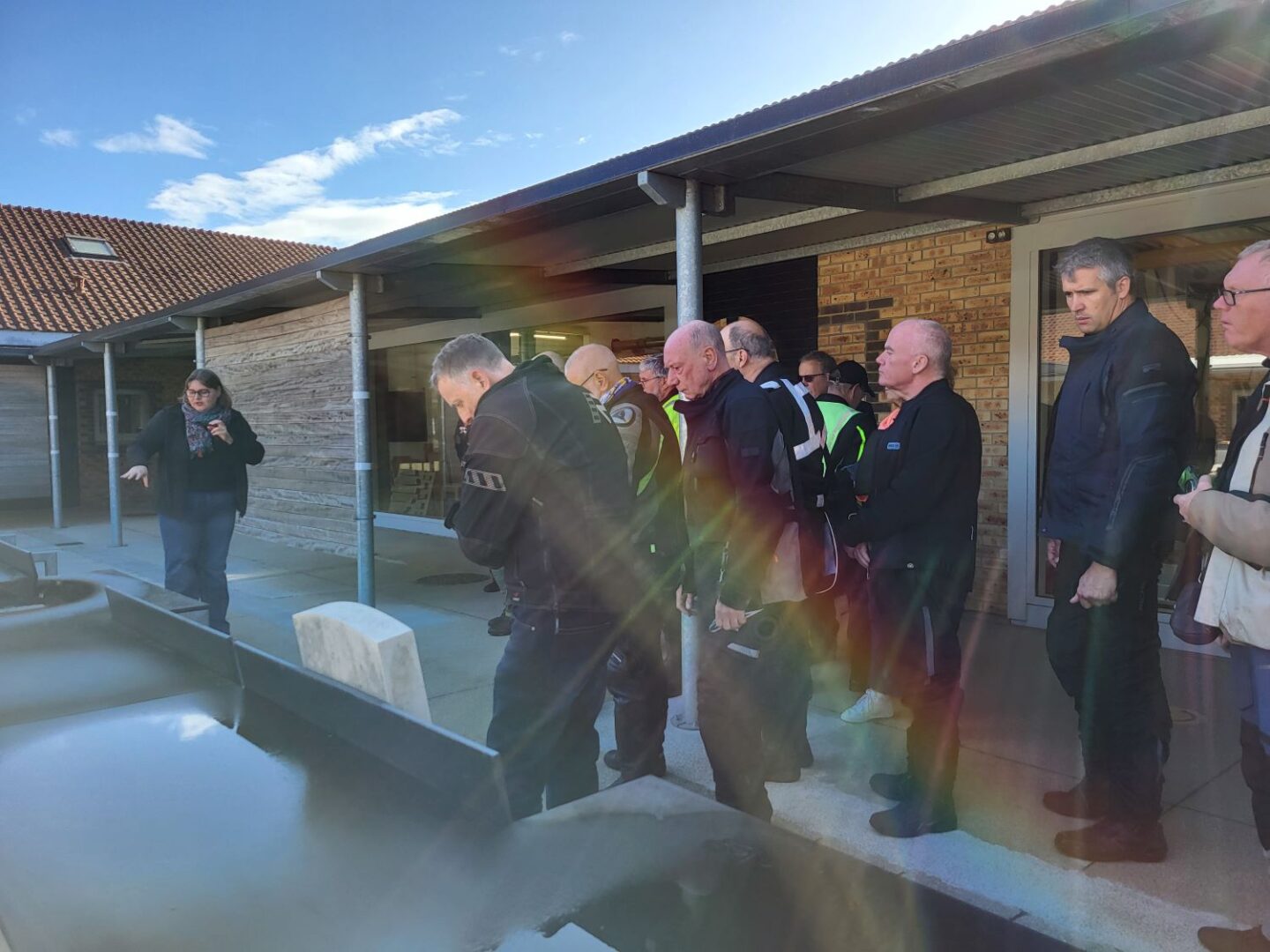
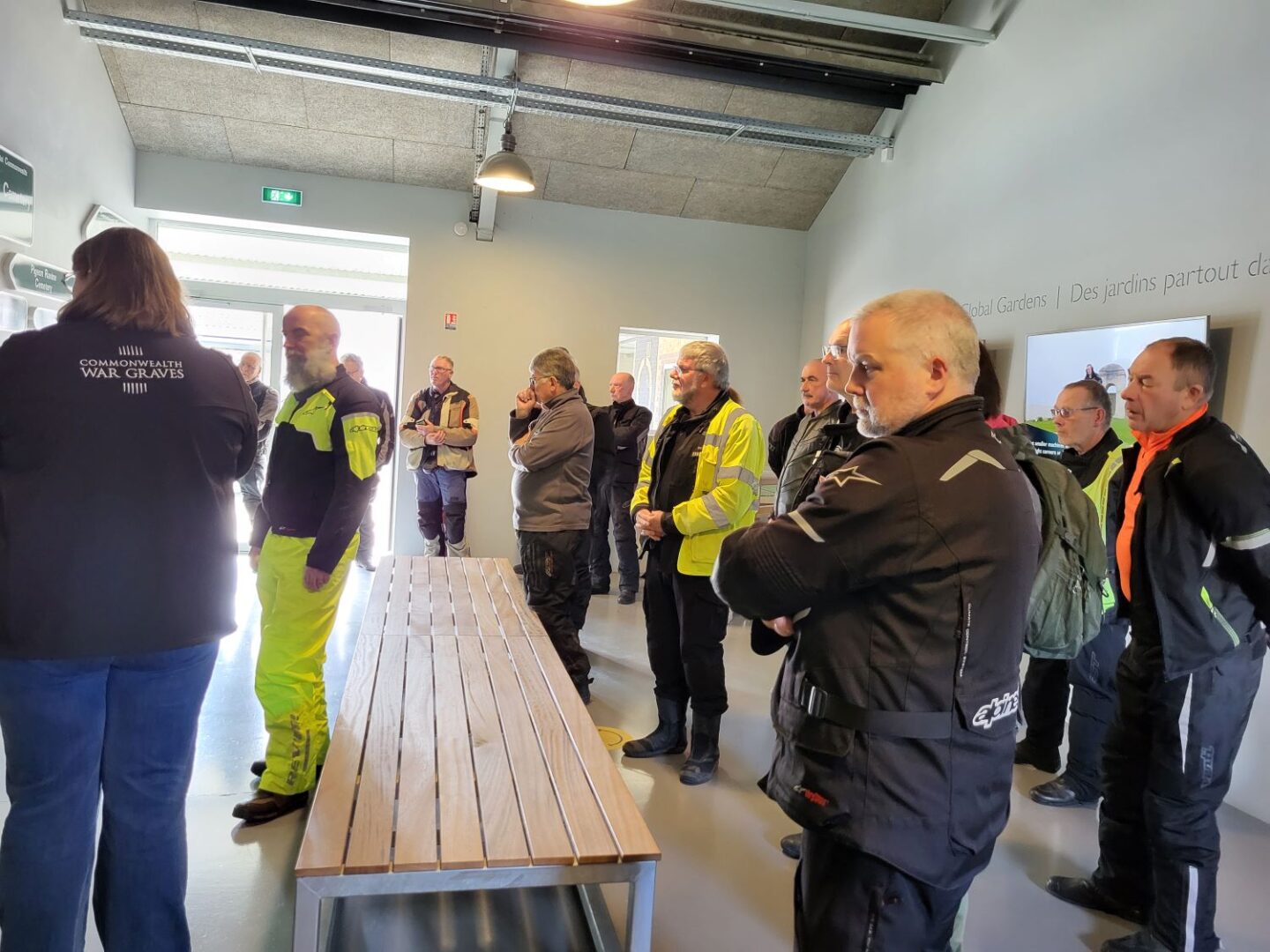
CWG employee Lucie, took us around the Visitors Centre, with her wealth of knowledge and excellent English, she explained how the Centre operates and how important their work was and continues to be.
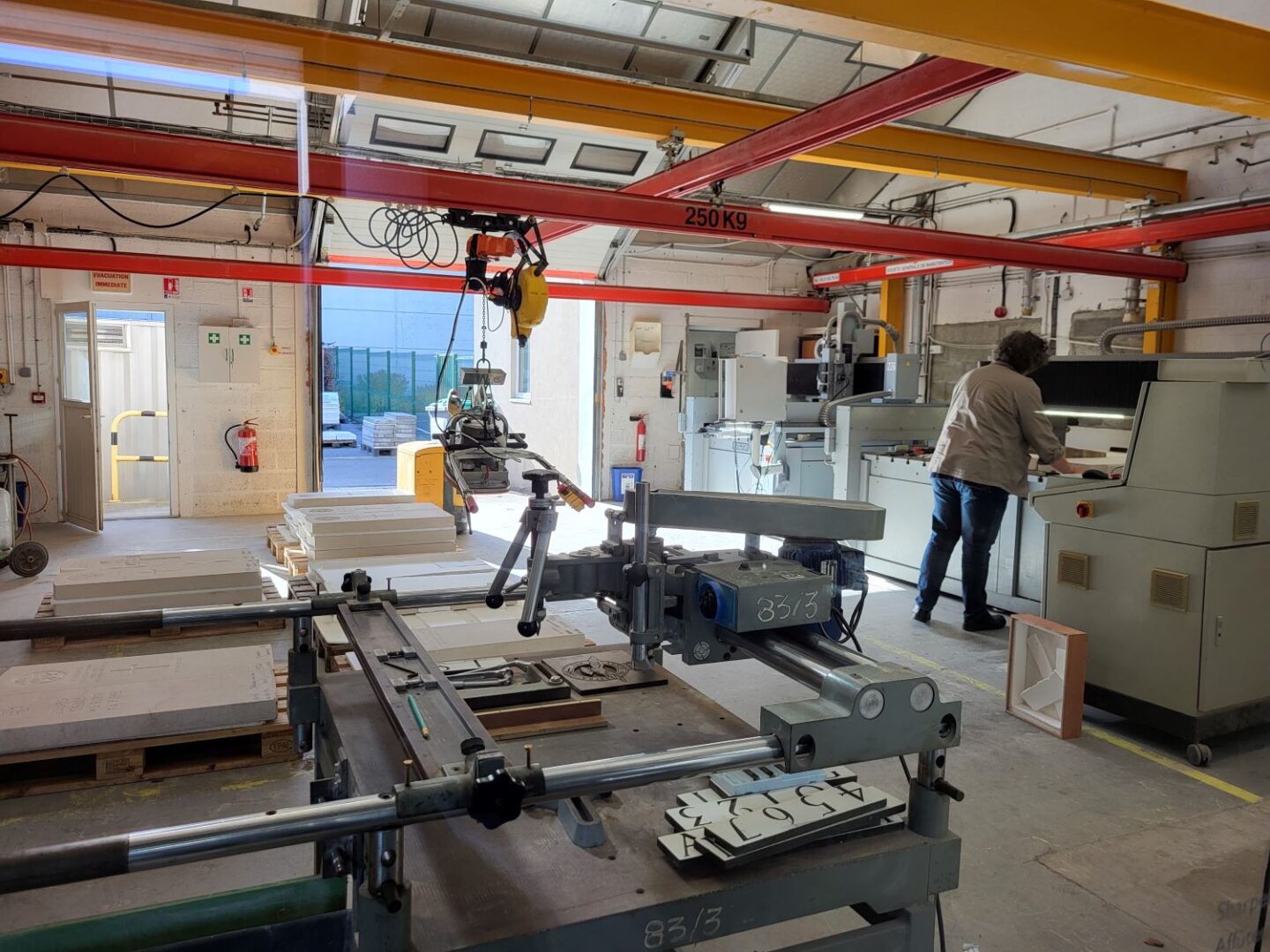
Whilst there, we had a look behind the scenes and saw how the Carpenters, Stonemasons, Mechanics and Blacksmiths worked at the maintenance and upkeep of all the cemeteries and memorials.
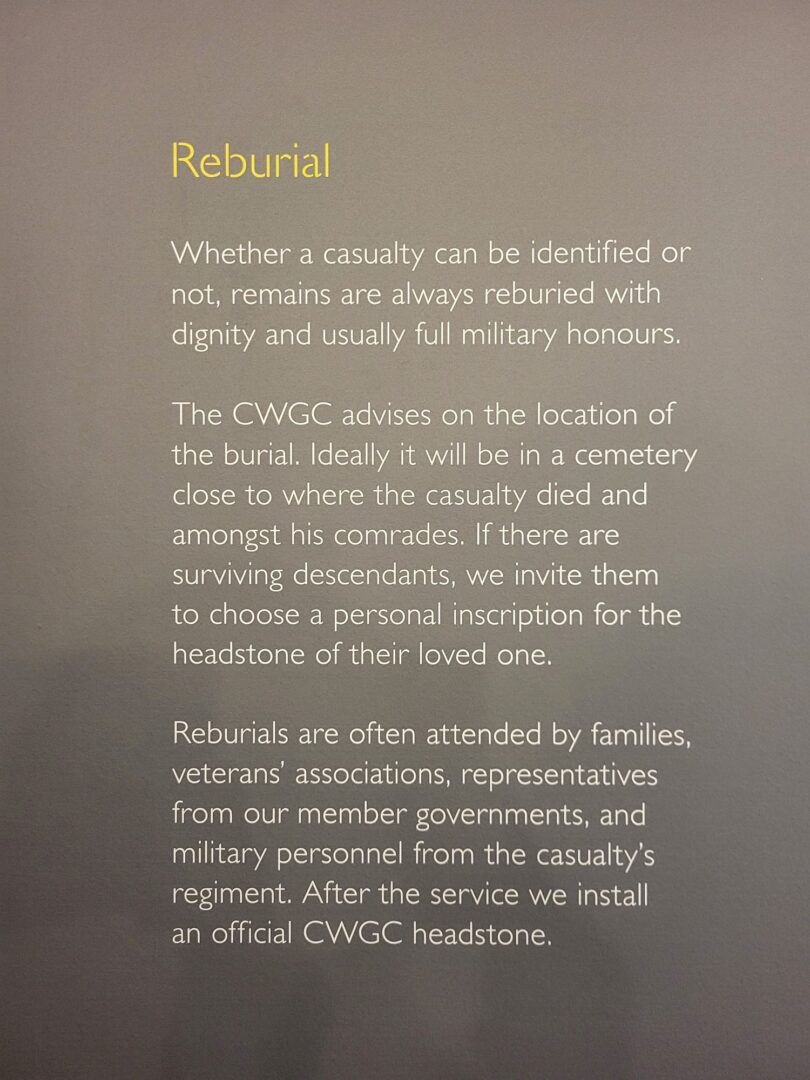
Every year remains are discovered, identified and reburied with honours, their names no longer on our many memorials to the missing but over their final resting place.
Active public engagement and education programmes ensure the stories of the fallen are told to all generations through talks and tours at our sites and in schools, clubs, societies and organisations. The War Graves Week every May throws a spotlight on the work they do and the men and women they commemorate.
They constantly care and repair the sites, some of them have reached or will soon be reaching their centenaries and are facing challenges the founders could not have envisaged requiring new materials and processes to ensure their longevity.
The founders were determined that all the men and women of the British Empire who fell on the former battlefields of the First World War, on land and at sea, should be commemorated equally. The CWGC takes great pride in the principles that drove this work, which said that the organisation would not differentiate between the dead on the grounds of social or military rank, or by religion.
The Non-Commemoration project works to identify any cases where names have been missed from the records, with extensive research already yielding important information helping ensure all Commonwealth war dead are commemorated as originally promised.
Following our visit we had time for an impromptu coffee stop, this gave us all time to reflect on the work carried out by the CWG.
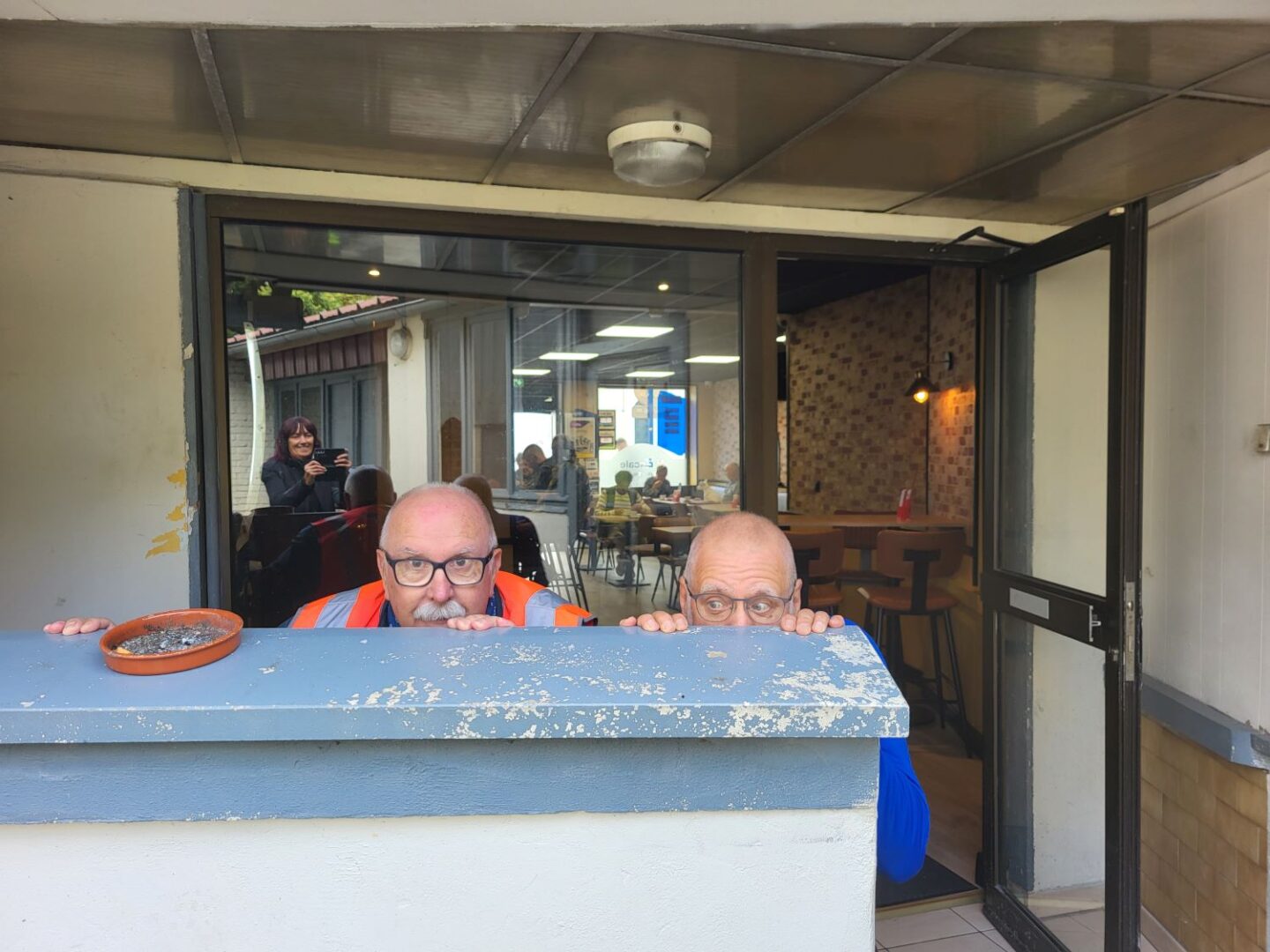
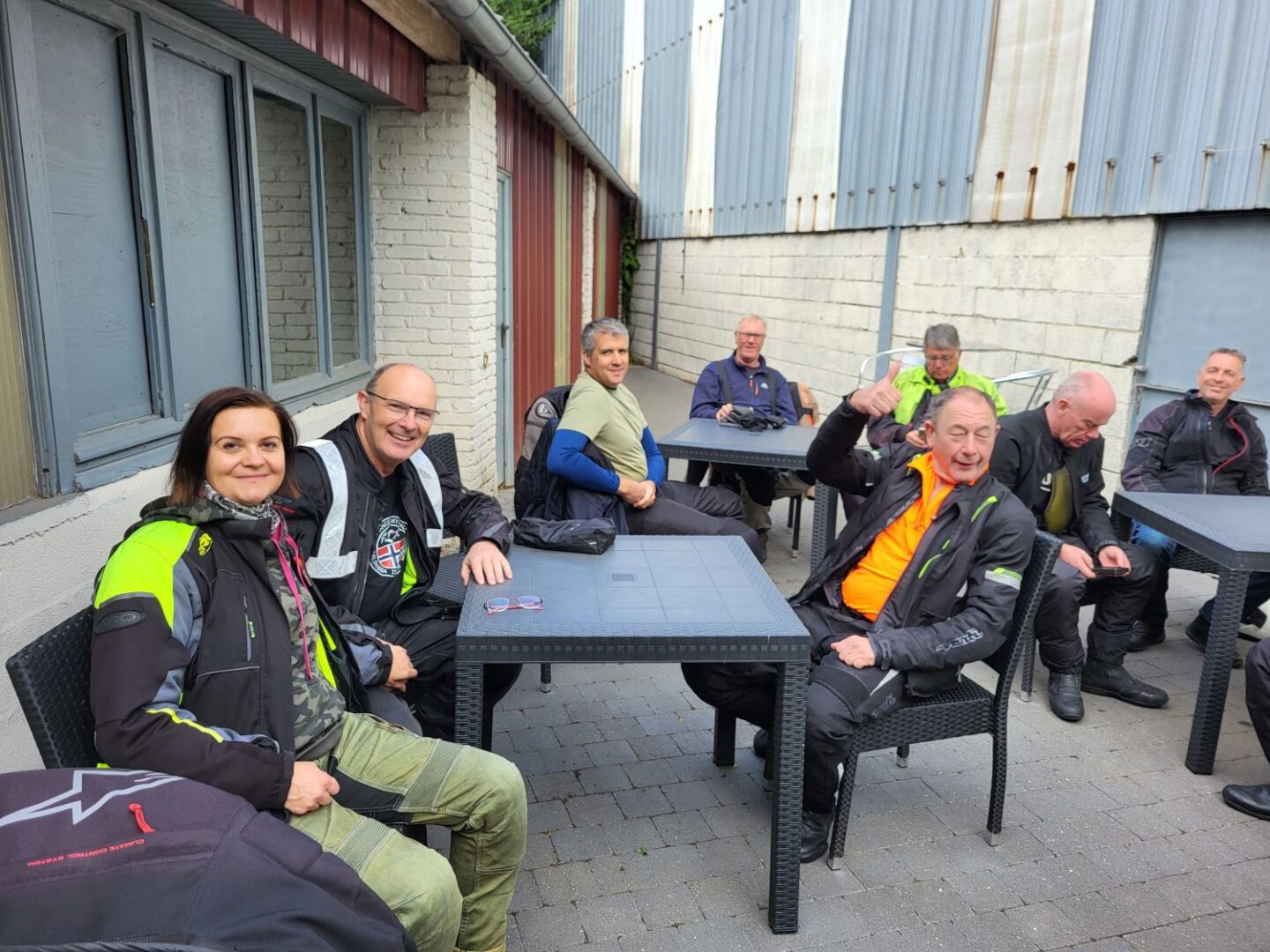
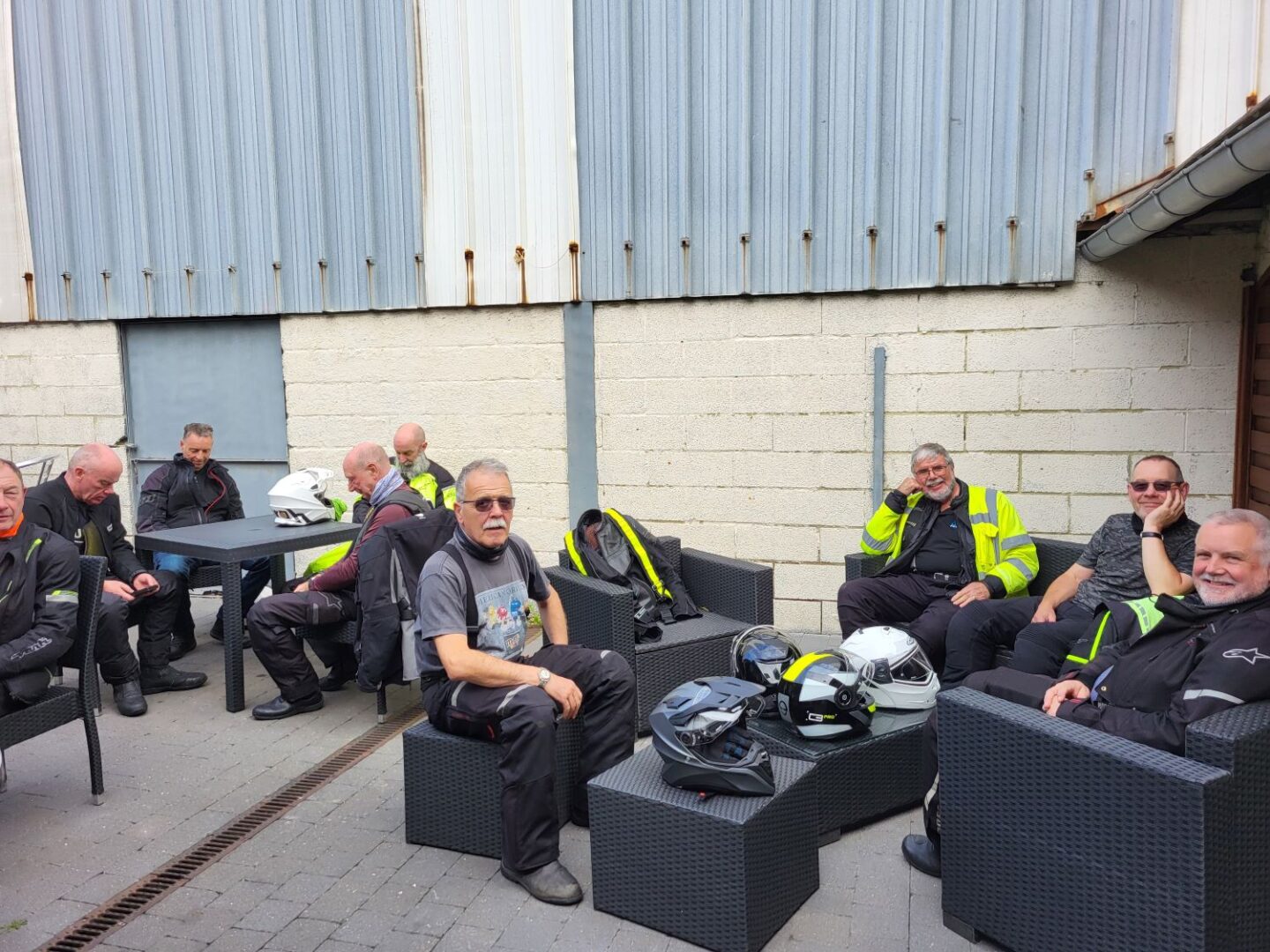
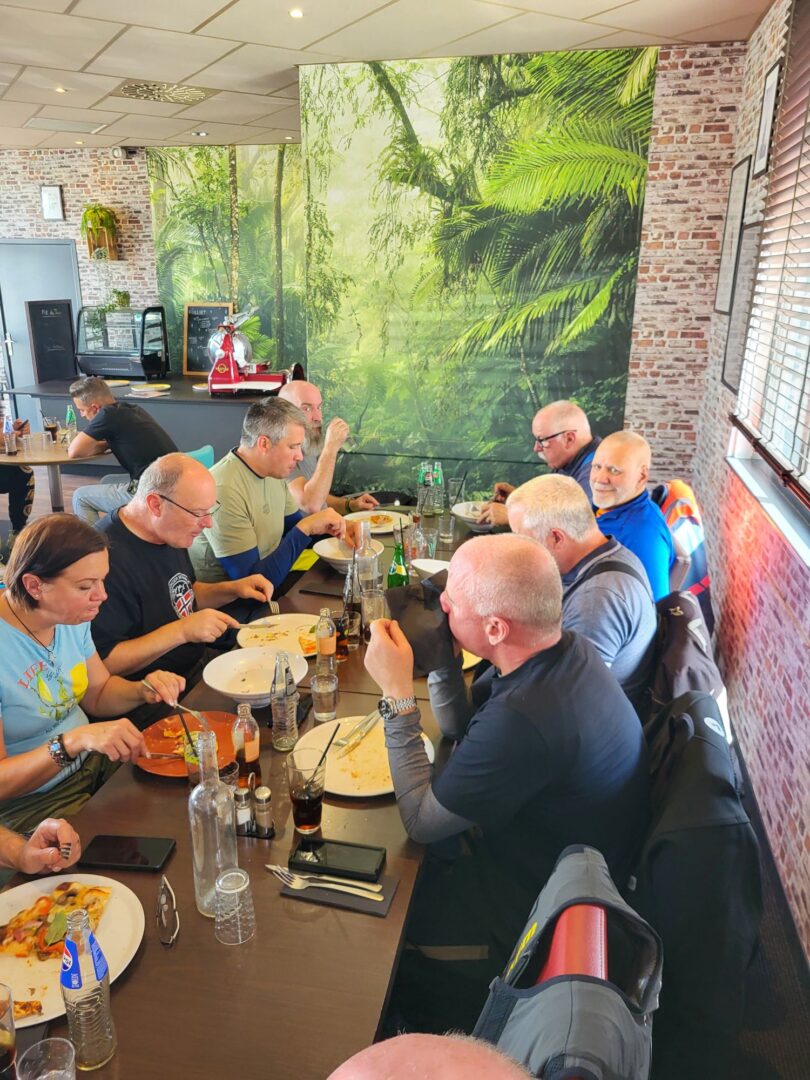
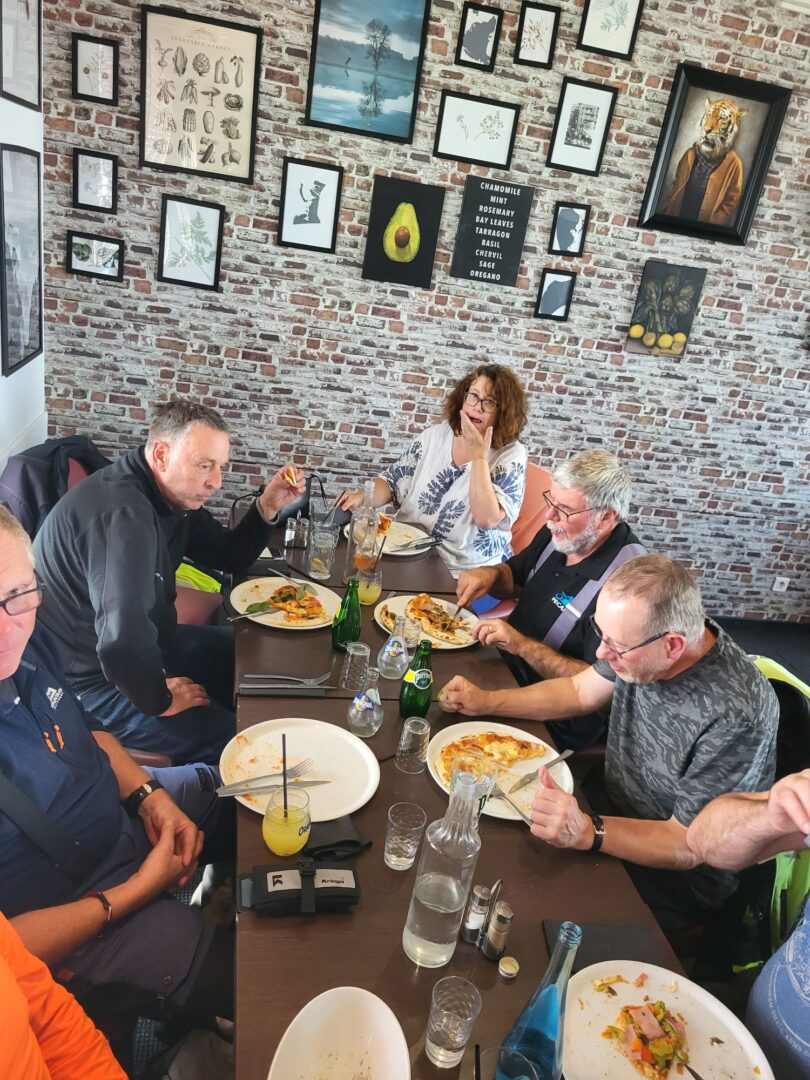
Our next stop was for lunch at an lovely Italian Restaurant, Au Feu De Bois, Beaurains, with a table pre-booked, we were soon seated and with the assistance of Odile to navigate around the Menu, orders were place and food consumed.
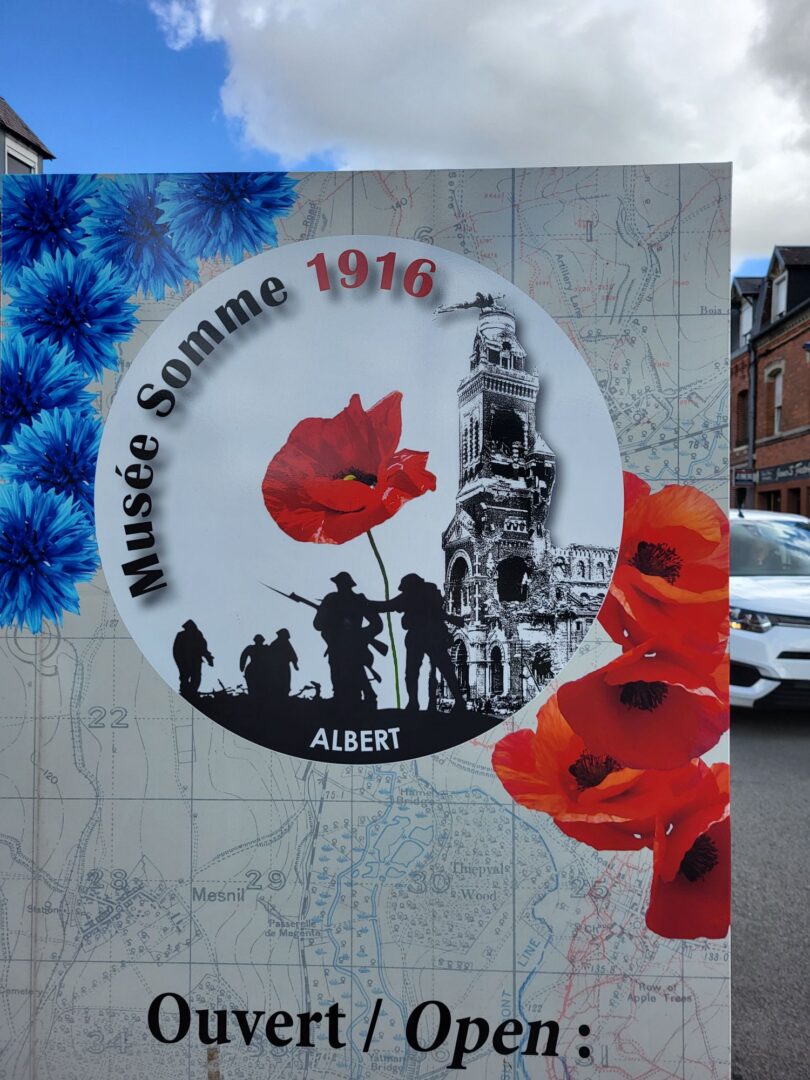
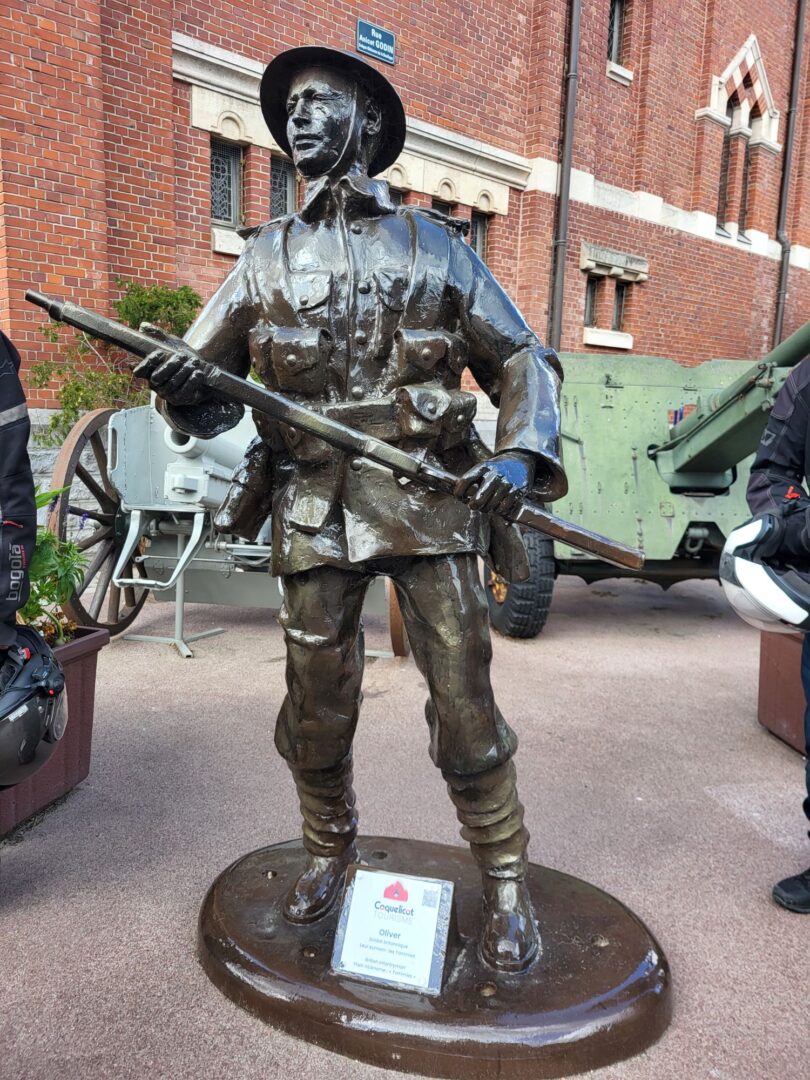
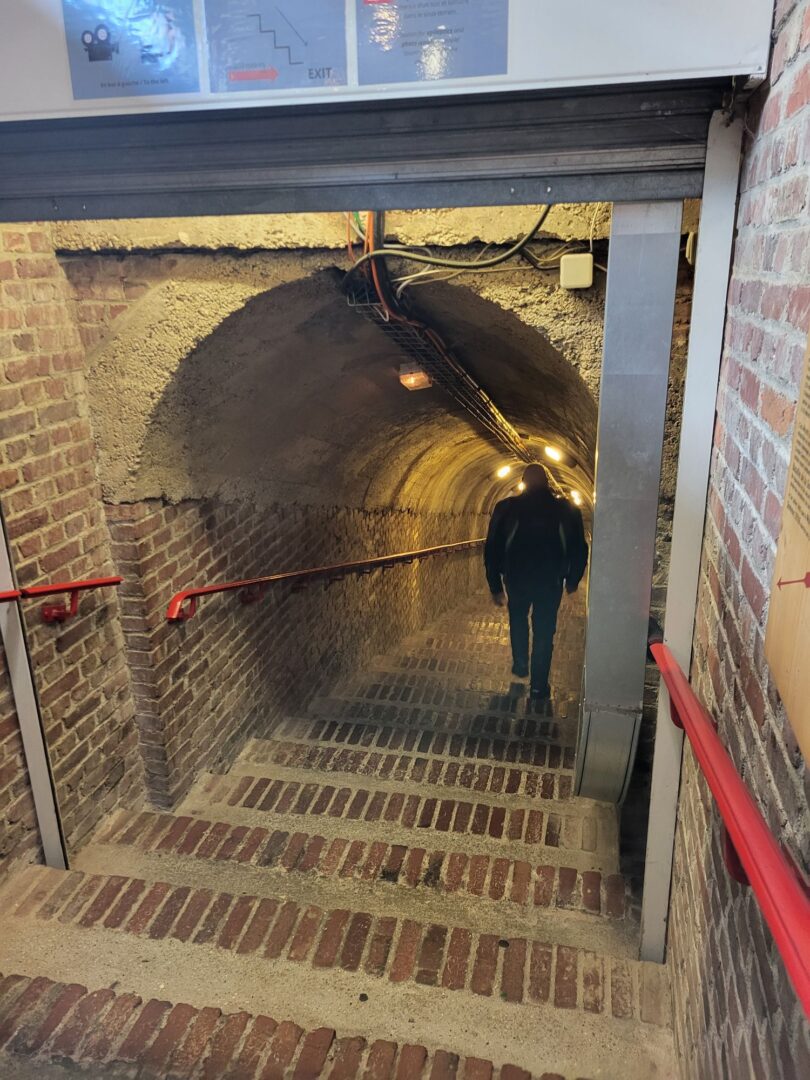
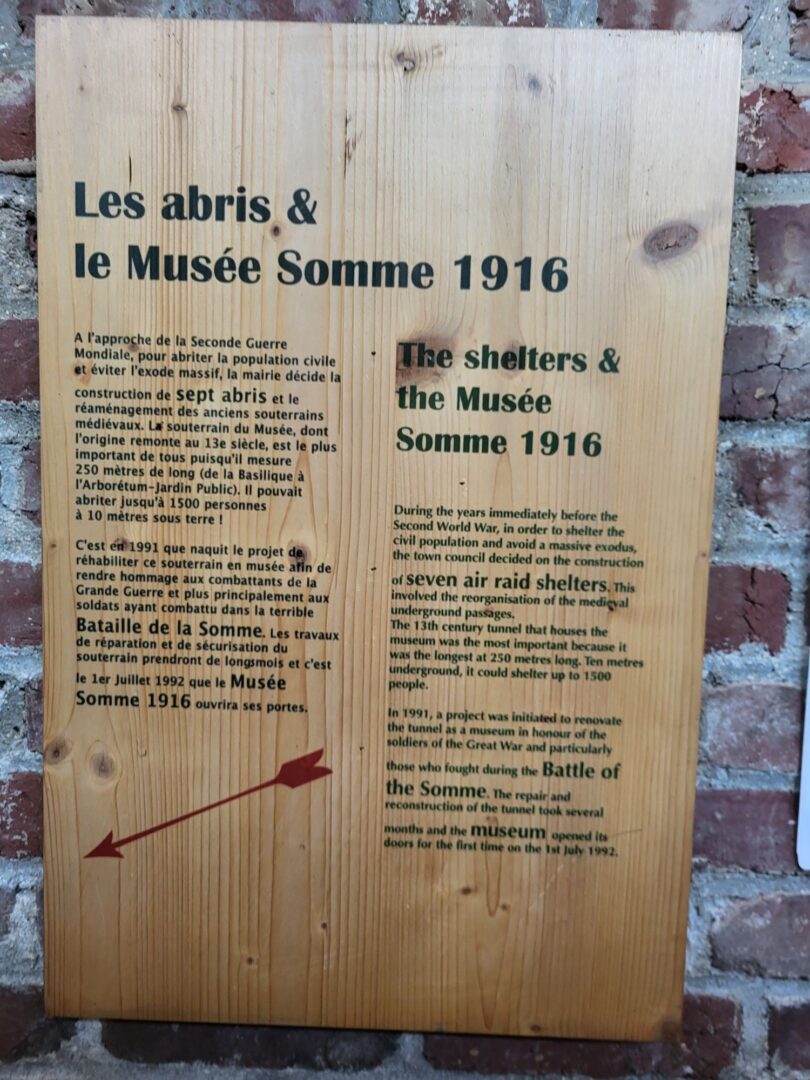
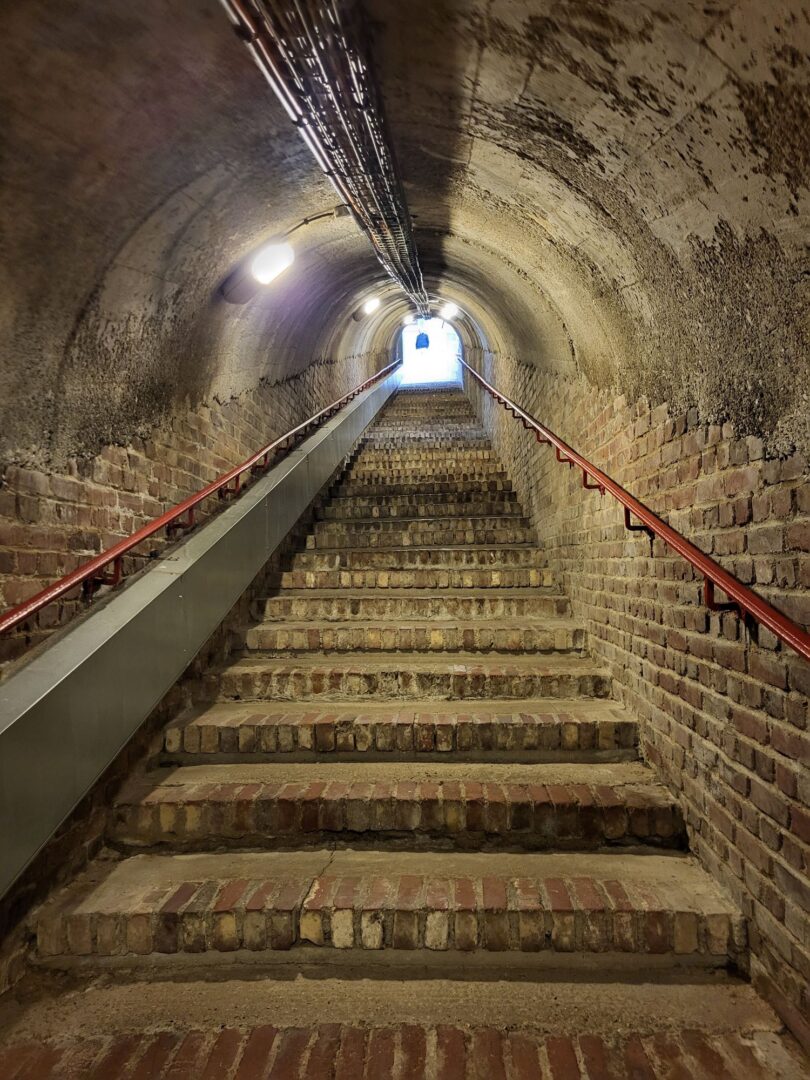
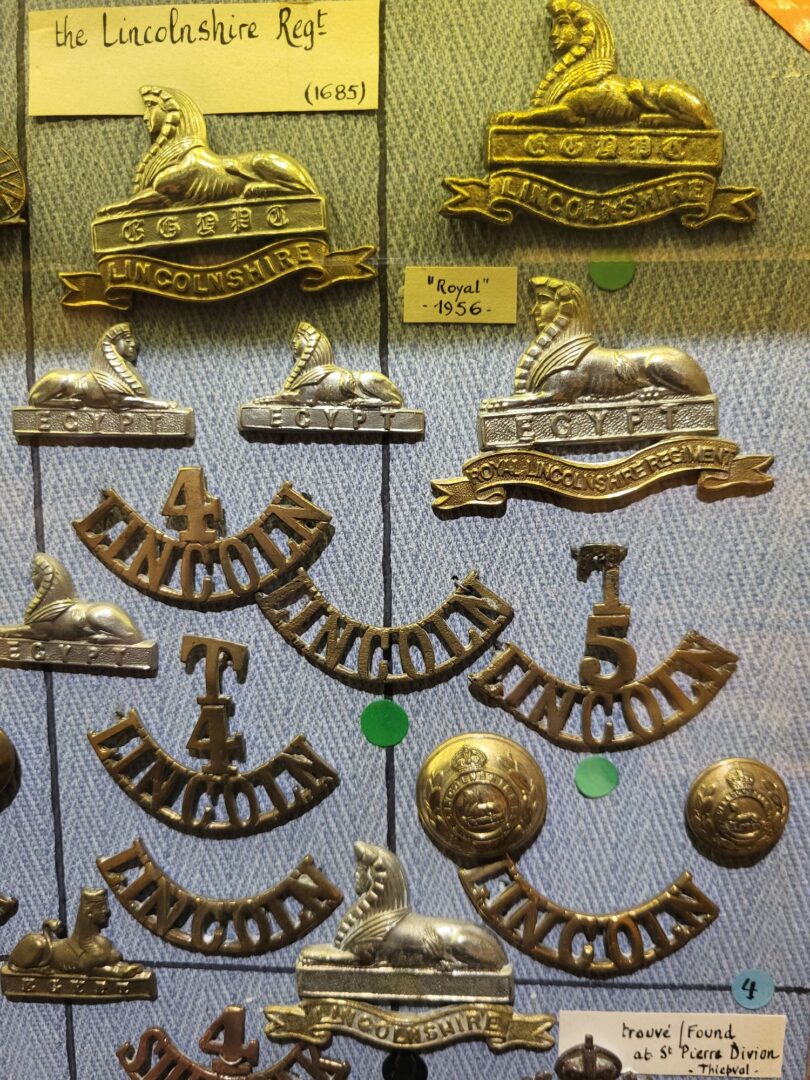
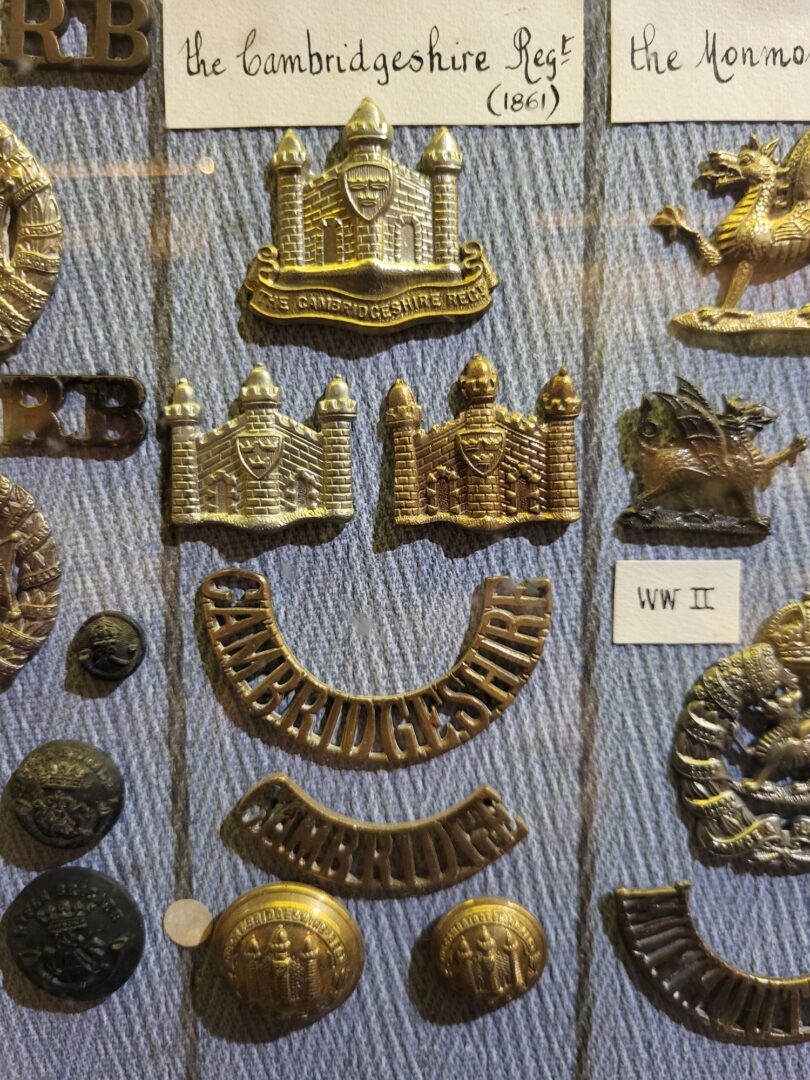
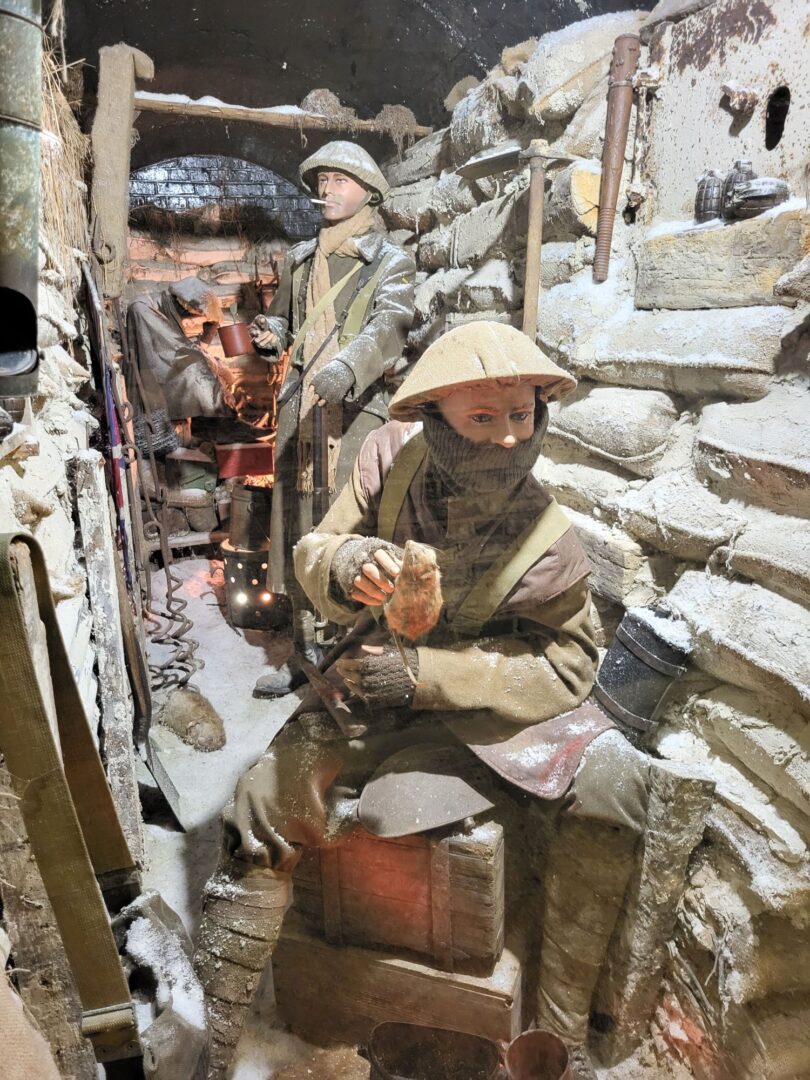
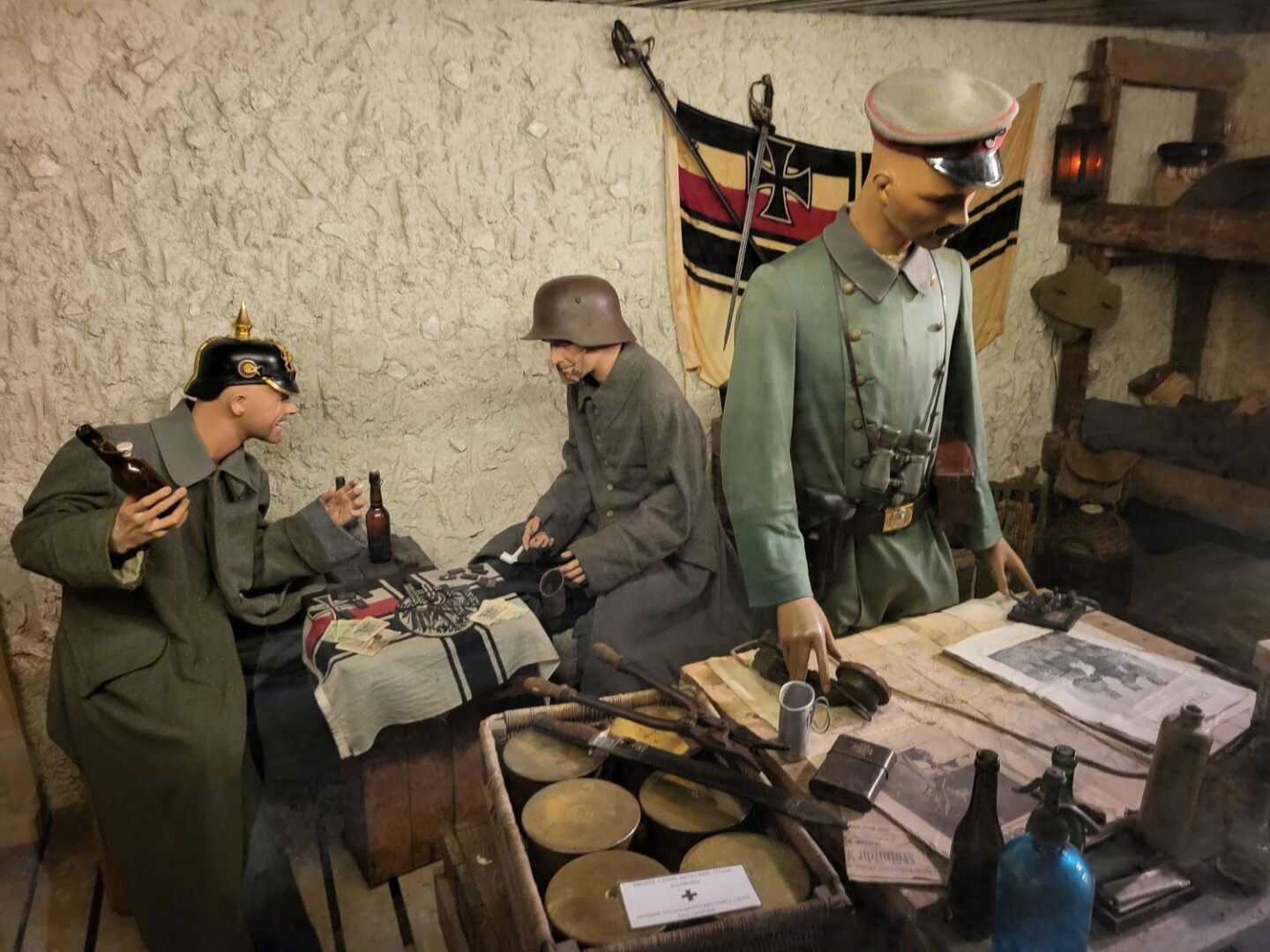
A short ride found us in Albert for a Visit to the Musee Somme 1916, a World War I history museum, housed in an underground tunnel that served as an air raid shelter during World War II, it is 10mtrs deep and 250mtrs long, the entrance is located to the right of the Notre Dame de Brebieres Basilica.
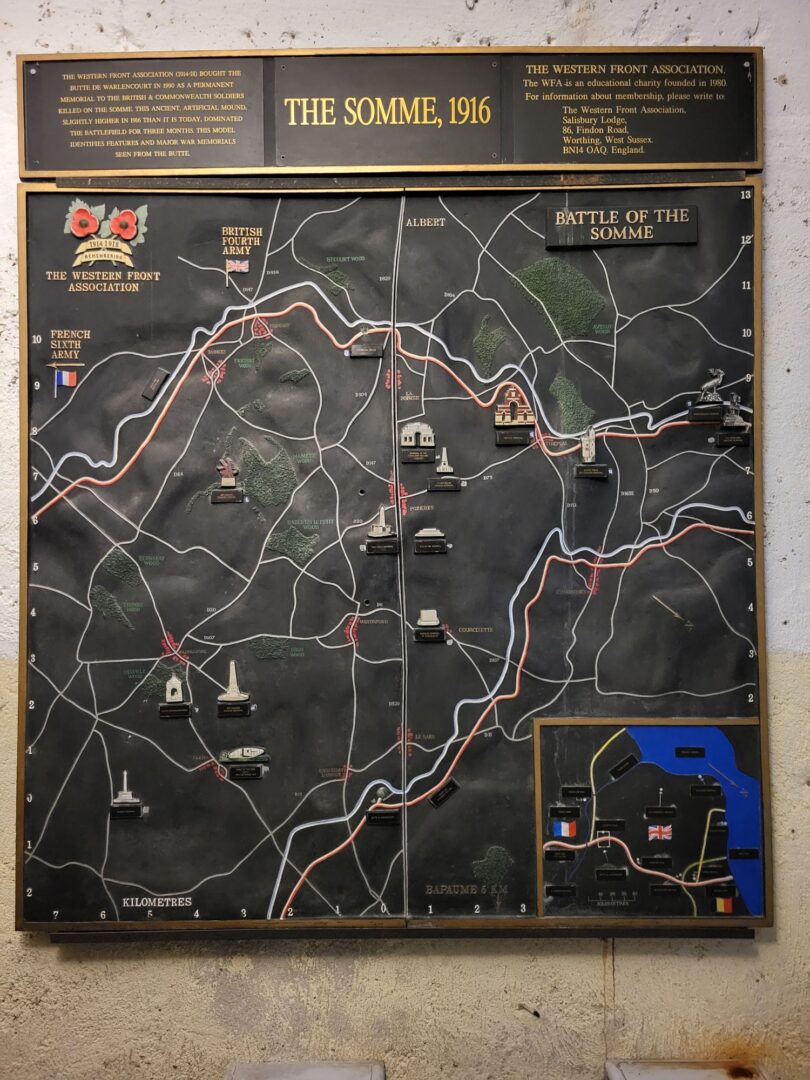
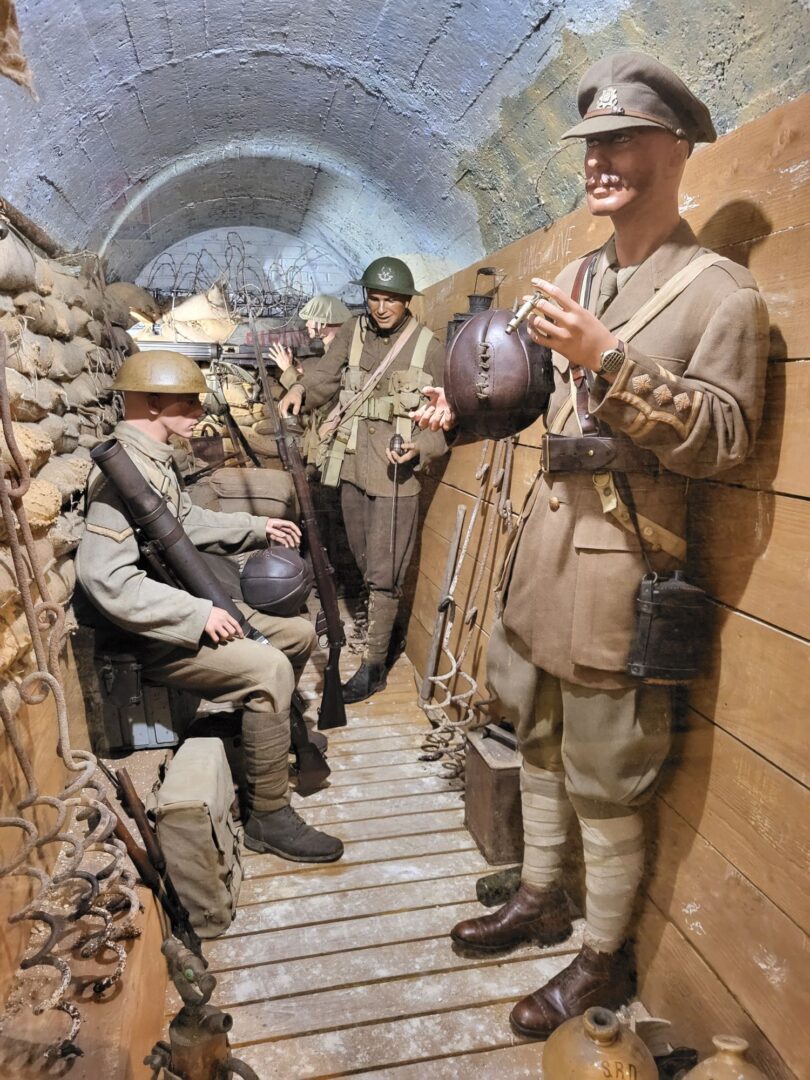
The Museum is full of display cases, presenting objects, equipment and weapons from the period, it retraces the life of the Soldiers and the trenches during the offensive of July 1st 1916.
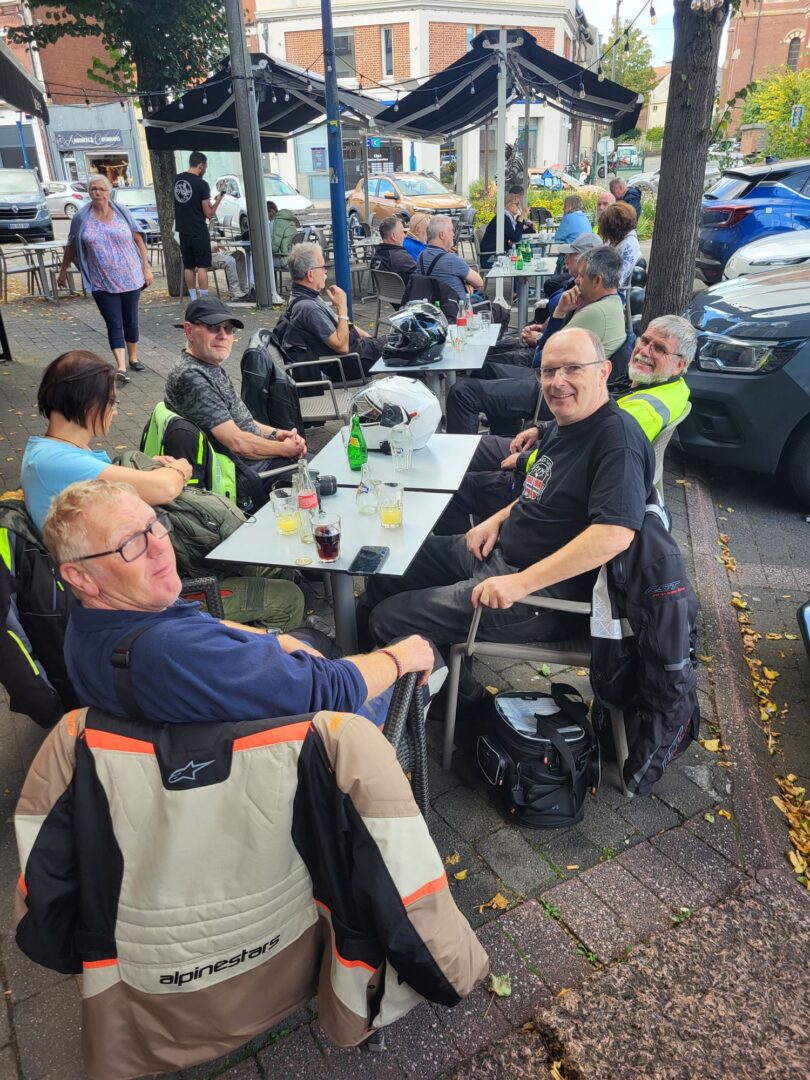
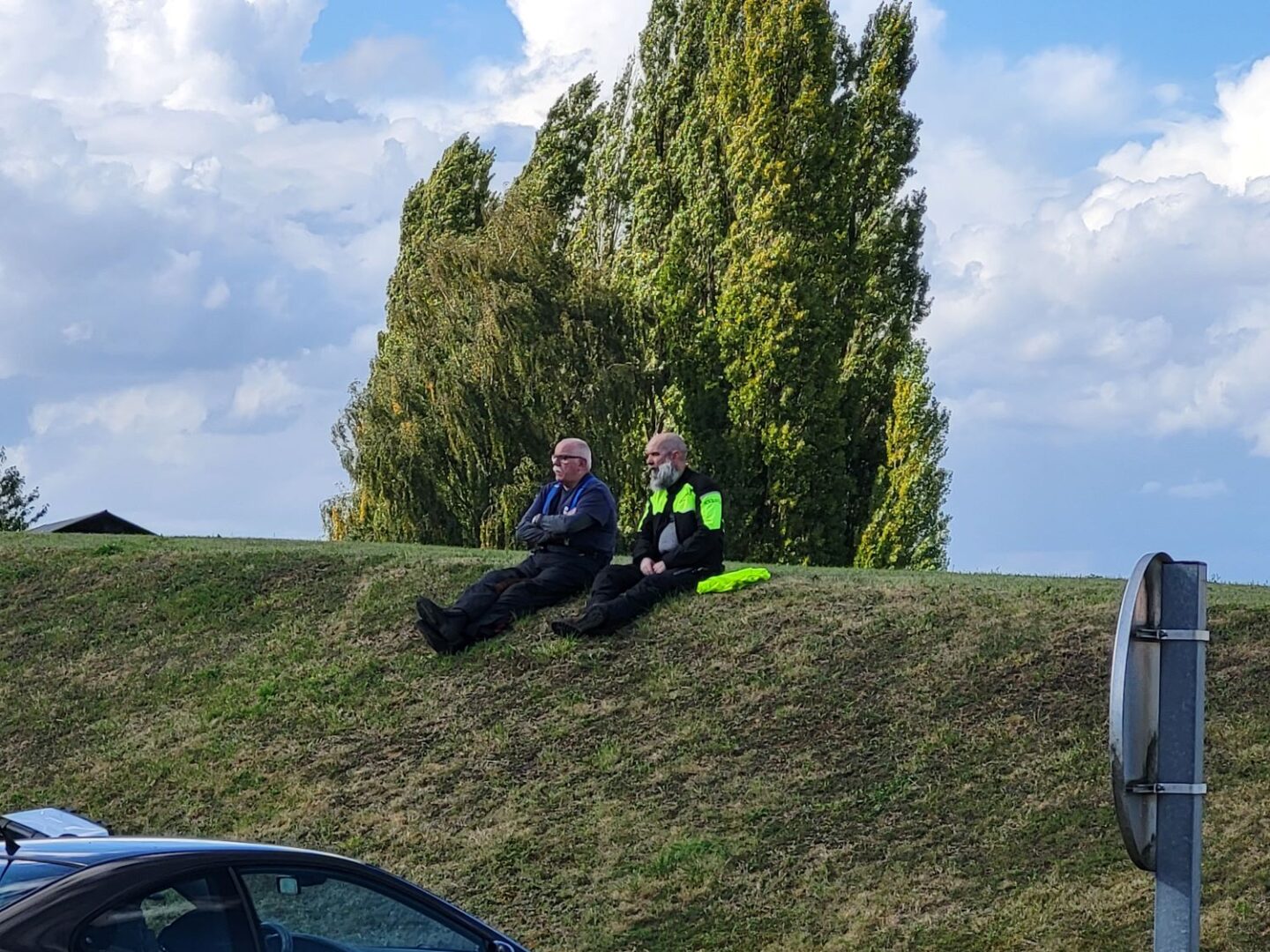
On leaving Albert, there was a slight hic-up with the marking of a junction and the group got split up, with both groups knowing our next destination, we headed to Thiepval Memorial, where the group was once again re-united.
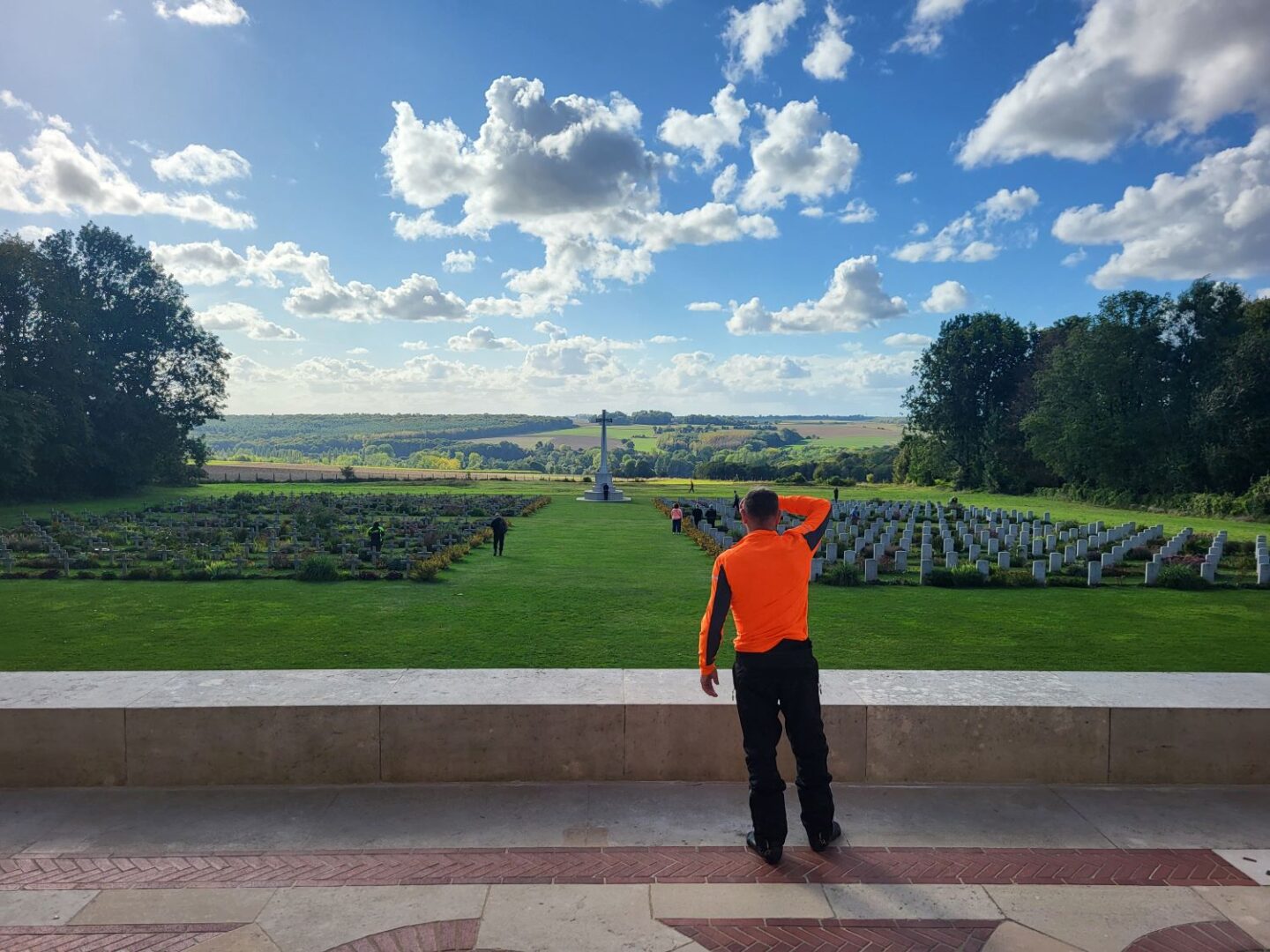
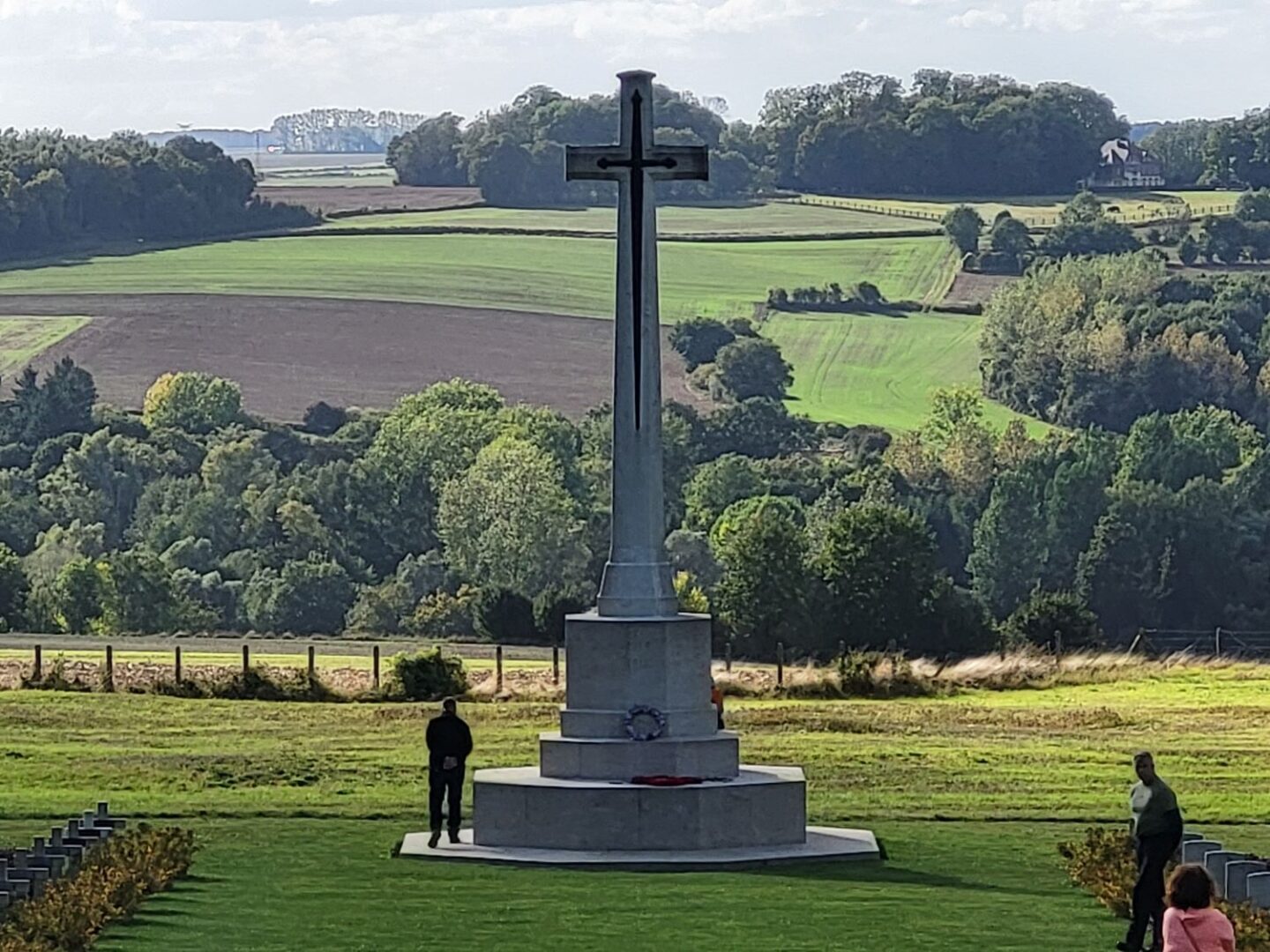
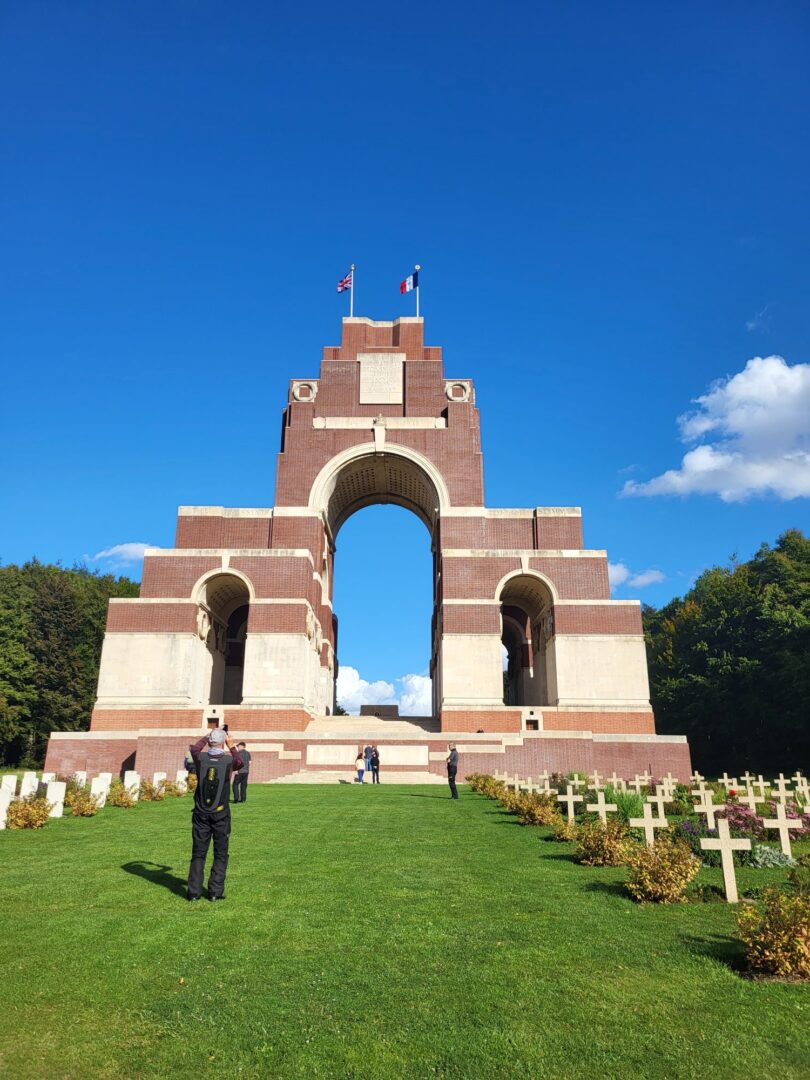
The Thiepval Memorial to the missing of the Somme, is a memorial to the 72,337 missing British and South African Servicemen, who died in the Battles of the Somme and World War I, between 1915-1918, with no known grave.
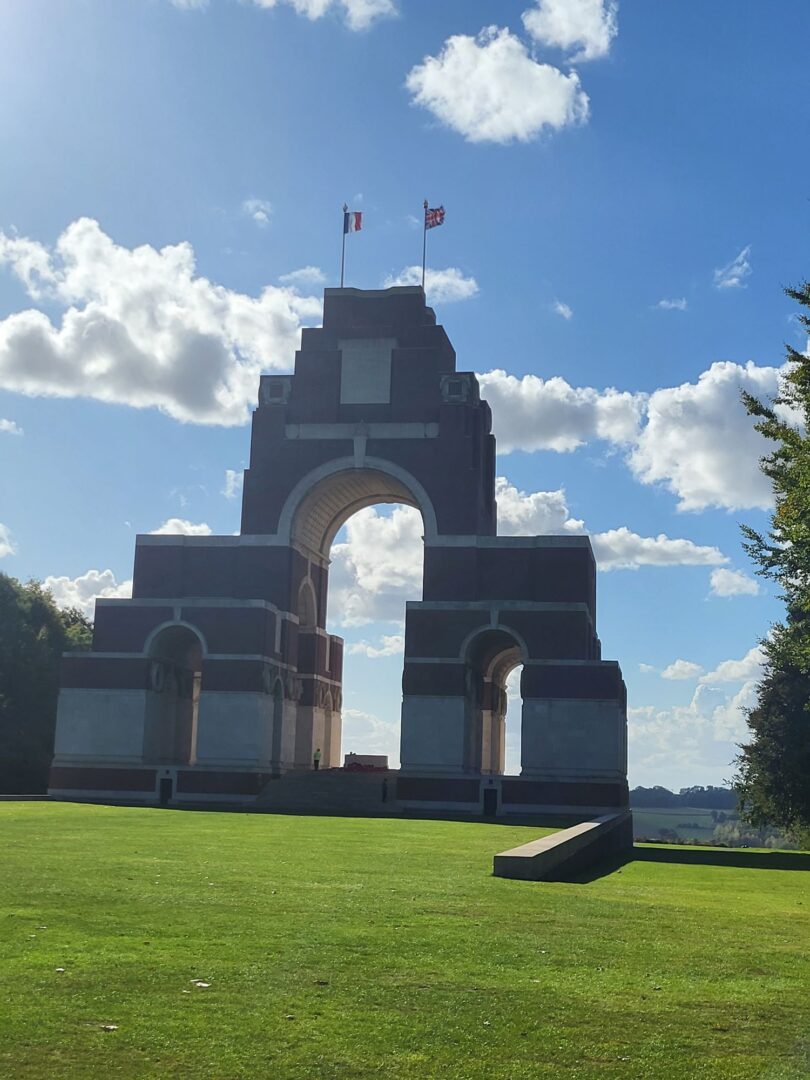
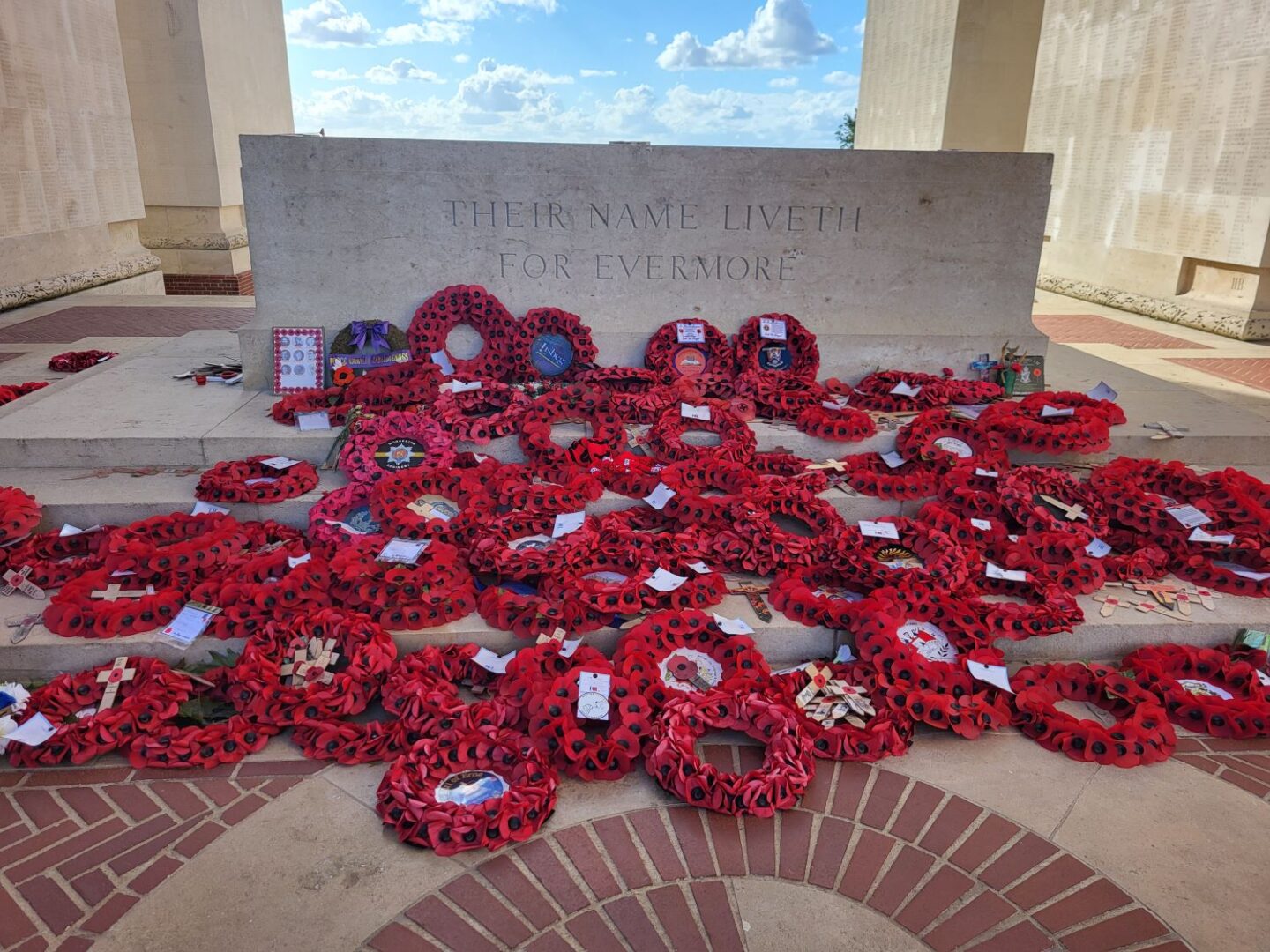
The memorial is instantly recognisable from afar, a 45m high memorial, it was built on the site of a German stronghold, that was stormed on 1st July 1916, the bloody first day of the Battle of the Somme.
From there we rode back to the Hotel Beatus for our second night.